Measles Vaccine Development Impact Safety And Logistics Explored
Table of Contents
- Scientific Background of the Measles Vaccine
- Historical Development and Key Milestones
- Biological Mechanism of the Measles Vaccine
- Comparison of Live Attenuated vs. Inactivated Measles Vaccines
- WHO-Recommended Measles Vaccination Schedule
- Global Health Impact and Eradication Efforts of the Measles Vaccine
- Measles Case Reduction and Mortality Decline Since Vaccine Introduction
- Regional Measles Vaccination Coverage Rates and Gaps
- Role of the Global Vaccine Action Plan (GVAP) and Elimination Targets
- Vaccine Safety, Side Effects, and Public Perception of the Measles Vaccine
- Common and Rare Side Effects of the Measles Vaccine
- Decision-Making Flowchart for Assessing Vaccine-Related Adverse Events
- Step 1: Temporal Association
- Step 2: Differential Diagnosis
- Step 3: Causality Assessment
- Step 4: Management and Reporting
- Step 5: Vaccination Counseling
- Impact of Misinformation on Public Trust in the Measles Vaccine
- Logistics and Distribution Challenges of the Measles Vaccine
- Cold Chain Requirements and Storage Solutions
- Step-by-Step Distribution Procedure in Remote or Rural Areas
- Role of International Organizations in Vaccine Funding and Distribution
- Cost Breakdown of Measles Vaccination Programs
The measles vaccine stands as a cornerstone of global public health, transforming a once-devastating disease into a preventable condition through scientific innovation and sustained immunization efforts. Since its introduction in the mid-20th century, this vaccine has saved millions of lives, yet its journey—from laboratory breakthroughs to worldwide deployment—reflects both triumphs and persistent challenges. This exploration examines the vaccine’s biological foundation, its transformative impact on disease eradication, and the critical factors shaping its safety, distribution, and public acceptance.
From the pioneering work of researchers like John Enders to the World Health Organization’s strategic campaigns, the measles vaccine exemplifies how immunization programs bridge scientific discovery with real-world health outcomes. However, obstacles such as vaccine hesitancy, logistical constraints in remote regions, and the economic burden of procurement underscore the need for continuous improvement. By analyzing historical milestones, global health metrics, and operational strategies, this discussion highlights the vaccine’s role not only as a medical tool but as a catalyst for equitable healthcare access worldwide.

Scientific Background of the Measles Vaccine
The development of the measles vaccine represents a landmark achievement in global public health, combining virological innovation with large-scale immunization strategies. Since its introduction, the vaccine has reduced measles-related deaths by over 73% worldwide, demonstrating its critical role in disease eradication efforts. This section explores the historical evolution, biological mechanisms, and comparative efficacy of measles vaccines, alongside standardized immunization protocols endorsed by the World Health Organization (WHO).Historical Development and Key Milestones
The quest for a measles vaccine began in the early 20th century, driven by the virus’s high mortality rate—particularly in children—and its ability to cause severe complications such as pneumonia and encephalitis. Early research focused on isolating the virus and developing attenuated strains capable of inducing immunity without causing disease. Key milestones include:- 1954: John Enders and colleagues at the Children’s Hospital Medical Center in Boston successfully cultivated the measles virus in tissue culture, a prerequisite for vaccine development.
Biological Mechanism of the Measles Vaccine
The measles vaccine employs a live attenuated virus to replicate within the host, triggering a robust immune response without causing symptomatic infection. The Edmonston-Zagreb (E-Z) strain, the most widely used, undergoes controlled attenuation through serial passage in non-human cells, reducing its pathogenicity while preserving immunogenic epitopes.Mechanism of Action:
Viral Strain Characteristics:
The E-Z strain retains critical antigenic determinants of wild-type measles, including:
Comparison of Live Attenuated vs. Inactivated Measles Vaccines
While live attenuated vaccines dominate measles immunization, inactivated vaccines were explored historically. Below is a comparative analysis of their characteristics:| Feature | Live Attenuated Vaccine (e.g., E-Z Strain) | Inactivated Vaccine (Historical) |
|---|---|---|
| Efficacy |
|
|
| Administration |
|
|
| Adverse Effects |
|
|
| Logistical Considerations |
|
|
WHO-Recommended Measles Vaccination Schedule
The WHO’s immunization strategy prioritizes early vaccination to interrupt transmission and protect high-risk groups. The recommended schedule varies by epidemiological context but adheres to the following principles:Standard Schedule for Infants (Routine Immunization):High-Risk Populations and Catch-Up Campaigns:
- First Dose: Administered at 9 months of age in high-mortality settings or 12–15 months in regions with low measles transmission. Timing balances maternal antibody interference with optimal immune response.
- Second Dose: Given at 15–18 months or before school entry (typically 4–6 years). The second dose ensures immunity in individuals with primary vaccine failure.
- Combination Vaccines: Measles is often co-administered with mumps and rubella (MMR) or diphtheria-tetanus-pertussis (DTP) to simplify logistics (e.g., MMRV for measles-mumps-rubella-varicella).
- Infants in Outbreaks: Vaccination at 6 months
Global Health Impact and Eradication Efforts of the Measles Vaccine
The measles vaccine stands as one of the most effective public health interventions in history, contributing to a 94% reduction in global measles deaths since 2000, according to the World Health Organization (WHO) and UNICEF. Through widespread vaccination campaigns, routine immunization programs, and supplementary outreach efforts, the vaccine has not only saved millions of lives but also significantly reduced disease transmission. However, disparities in vaccination coverage persist, particularly in regions with limited healthcare infrastructure, conflict, or vaccine hesitancy. This section examines the measurable global impact of measles vaccination, regional coverage gaps, and the strategic frameworks—such as the Global Vaccine Action Plan (GVAP)—designed to accelerate measles elimination while addressing persistent challenges.
Measles Case Reduction and Mortality Decline Since Vaccine Introduction
The introduction of the measles vaccine in 1963 marked a turning point in global health, with subsequent mass vaccination campaigns leading to dramatic declines in cases and deaths. By 2019, an estimated 20.8 million measles cases were averted, and 5.6 million lives were saved between 2000 and 2019, primarily due to vaccination. The WHO and UNICEF report that measles deaths dropped from 733,000 in 2000 to 136,200 in 2019, with the largest reductions observed in the African Region (83% decline) and South-East Asia Region (93% decline). However, progress stalled in recent years due to vaccine hesitancy, underfunding, and disruptions from the COVID-19 pandemic, resulting in a 79% increase in measles cases globally in 2022 (9.1 million cases) compared to 2021.Key milestones in measles control include:
- 1974: First global measles vaccination campaign in Africa (WHO/UNICEF).
- 2000: Launch of the Global Measles Initiative, a partnership between WHO, UNICEF, CDC, and GAVI to reduce measles deaths by 90% by 2010 (achieved 5 years ahead of schedule).
- 2012: WHO Regional Certification Commission for Measles and Rubella Elimination verified the Americas as the first region to eliminate measles (2002) and rubella (2015).
- 2020: Global Measles and Rubella Strategic Plan (2021–2030), aiming for 95% vaccination coverage in all countries and elimination in five WHO regions by 2030.
Regional Measles Vaccination Coverage Rates and Gaps
Vaccination coverage varies significantly by region, with sub-Saharan Africa and parts of South Asia facing the most pronounced gaps. Below is a responsive HTML table summarizing measles-containing vaccine (MCV1) coverage rates (2022 data, WHO/UNICEF) and key challenges by region. The table includes colgroup for mobile adaptability and highlights disparities in routine immunization.Note: Coverage rates reflect MCV1 (first dose), with MCV2 (second dose) coverage typically 10–20% lower. The 95% target is critical for herd immunity, as measles requires ~95% vaccination coverage to prevent outbreaks.
Region MCV1 Coverage (%)
(2022)Target Coverage (%)
(GVAP 2030)Key Challenges Outbreak-Risk Countries (2023) Africa 71% 95%
- Weak healthcare systems in conflict zones (e.g., South Sudan, DRC).
- Low routine immunization rates (<60% in 12 countries).
- Supply chain disruptions and vaccine hesitancy (e.g., Nigeria, Ethiopia).
Nigeria, DRC, Ethiopia, Somalia, Angola Americas 92% 95%
- Vaccine hesitancy in Brazil, Venezuela, and Haiti.
- Migrant and indigenous populations with limited access.
- Resurgence in Venezuela due to economic collapse.
Venezuela, Haiti, Brazil (Amazon region) Europe 90% 95%
- Vaccine hesitancy in Western Europe (e.g., France, Italy).
- Low uptake in Roma communities (e.g., Romania, Bulgaria).
- Outbreaks in unvaccinated clusters (e.g., Germany, UK).
Ukraine, Romania, France, Italy South-East Asia 83% 95%
- Rural-urban disparities (e.g., India, Pakistan).
- Stockouts and cold chain failures in remote areas.
- Religious and cultural barriers (e.g., Afghanistan, Indonesia).
India, Pakistan, Afghanistan, Indonesia Western Pacific 95% 95%
- High coverage but pockets of low uptake (e.g., Philippines, Papua New Guinea).
- Refugee populations in Myanmar and Bangladesh.
- Resurgence in Samoa (2019) due to low immunization.
Philippines, Papua New Guinea, Myanmar
Role of the Global Vaccine Action Plan (GVAP) and Elimination Targets
The Global Vaccine Action Plan (GVAP 2011–2020) and its successor, the Global Measles and Rubella Strategic Plan (2021–2030), outline a two-pronged approach to measles elimination:
1. Routine Immunization: Strengthening MCV1 and MCV2 delivery through primary healthcare systems.
2. Supplementary Activities: Targeted catch-up campaigns in high-risk areas, including school-based vaccination, mobile clinics, and emergency response.Key GVAP Targets for Measles Elimination:
- 95% MCV1 coverage in all countries by 2030.
- Eliminate measles in five WHO regions (Americas, Europe, South-East Asia, Eastern Mediterranean, Western Pacific) by 2030.
- Reduce measles deaths by 95% compared to 2015 baselines.
- Sustain elimination in the Americas and verify elimination in Europe by 2030.
Strategies for Underserved Communities:
- Community Engagement: Partnering with local leaders, religious groups, and traditional healers to address mistrust.
- Outreach Campaigns: Using mobile vaccination teams and house-to-house visits in remote areas (e.g., Amazon Basin, Sahel).
- Data-Driven Targeting: Leveraging geospatial modeling to identify high-risk districts (e.g., WHO’s Measles Risk Assessment Tool).
- Mult
Vaccine Safety, Side Effects, and Public Perception of the Measles Vaccine
The measles vaccine is one of the most extensively studied and rigorously monitored vaccines in global public health, with decades of clinical data confirming its safety and efficacy. While adverse events following immunization (AEFI) are rare, understanding the spectrum of potential reactions—from common mild effects to extremely rare severe complications—is critical for both healthcare providers and the public. Public perception of vaccine safety is further shaped by historical misinformation campaigns, media narratives, and evolving communication strategies from health authorities. This section examines the safety profile of the measles vaccine, decision-making frameworks for adverse event assessment, the impact of misinformation on trust, and comparative safety analyses with other vaccination strategies.
Common and Rare Side Effects of the Measles Vaccine
The measles vaccine, administered as either a monovalent formulation or combined in the measles-mumps-rubella (MMR) vaccine, is associated with a well-documented safety profile. Side effects are typically mild and self-limiting, occurring within days of vaccination. Severe adverse events are exceedingly rare, with modern surveillance systems (e.g., the Vaccine Adverse Event Reporting System (VAERS) in the U.S. and the Yellow Card Scheme in the UK) consistently demonstrating a favorable risk-benefit ratio.Mild and Moderate Reactions (Occurring in 5–15% of Recipients)
These reactions are transient and do not require medical intervention beyond symptomatic management. They include:
- Local reactions: Mild soreness or redness at the injection site (typically resolves within 1–2 days).
- Systemic reactions:
- Low-grade fever (≤38.5°C) within 7–14 days post-vaccination, peaking at day 7–10.
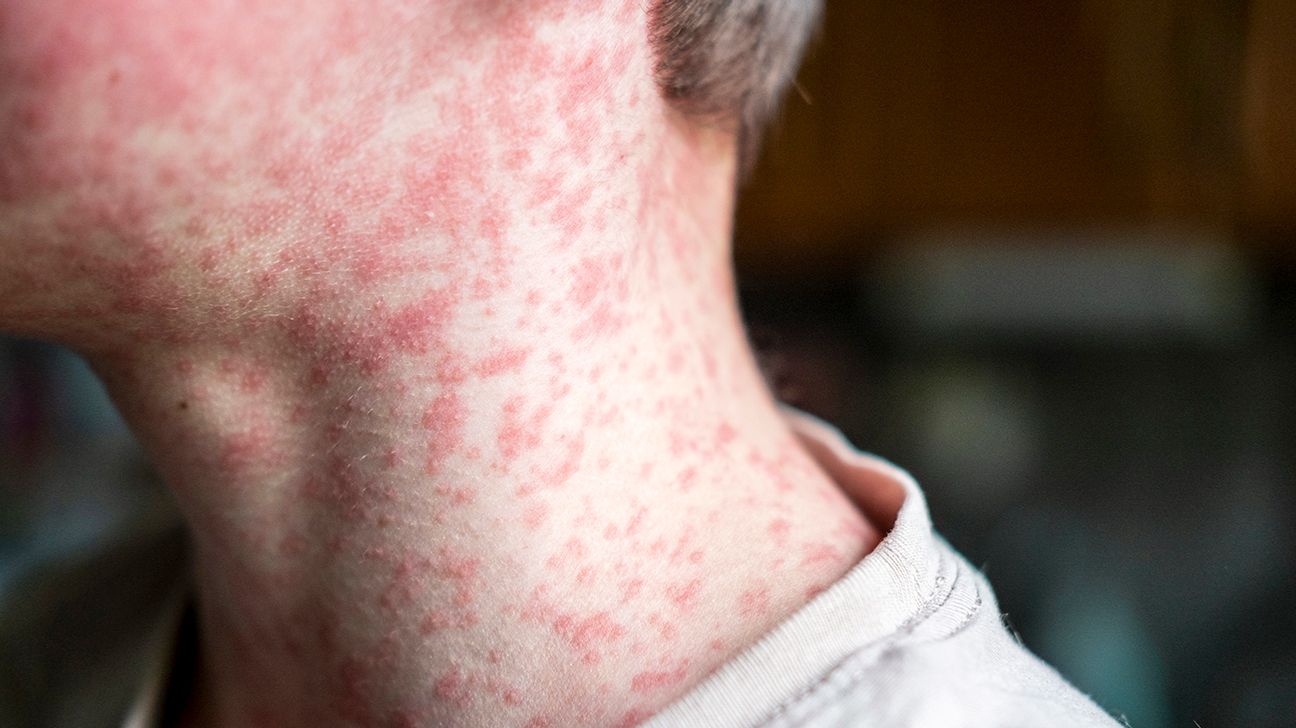
- Mild rash (maculopapular, resembling measles but non-contagious) in ~5% of recipients.
- Temporary irritability or mild discomfort, often managed with acetaminophen or ibuprofen (avoiding aspirin due to Reye syndrome risk).
Rare but Serious Adverse Events (Occurring in <1 per million doses)
These events require immediate medical evaluation and are monitored through passive and active surveillance systems:
- Anaphylaxis: Estimated incidence of 1–5 cases per million doses, typically occurring within minutes to hours post-vaccination. Management includes epinephrine administration and observation in healthcare settings.
- Thrombocytopenia: A temporary drop in platelet count (incidence ~1 in 30,000–40,000 doses), often asymptomatic but may present as bruising or petechiae.
- Encephalitis/Encephalopathy: Historically associated with the whole-virus measles vaccine (pre-1968 formulations), the incidence with current attenuated vaccines is <1 per million doses. Post-vaccination encephalitis is clinically indistinguishable from other causes and may require lumbar puncture for diagnosis.
- Febrile Seizures: Occur in ~1 in 3,000–10,000 vaccinated children, typically in those with a personal or family history of seizures. These are self-limiting and do not increase long-term neurological risk.
Key Insight: The risk of severe complications from natural measles infection (e.g., pneumonia, encephalitis, or death) far exceeds that of vaccine-related adverse events. For example, measles encephalitis occurs in ~1 in 1,000 infections, while post-vaccination encephalitis is <1 in 1 million doses.Decision-Making Flowchart for Assessing Vaccine-Related Adverse Events
Healthcare providers use structured clinical pathways to evaluate potential vaccine-related adverse events (AEFI), balancing the likelihood of causality with differential diagnoses. Below is a hypothetical flowchart outlining the assessment process for a patient presenting with symptoms post-measles vaccination. This framework aligns with guidelines from the World Health Organization (WHO) and Centers for Disease Control and Prevention (CDC).
Step 1: Temporal Association
Assess if symptoms onset within the expected window for vaccine reactions (minutes to 21 days post-vaccination).
- Immediate reactions (0–2 hours): Anaphylaxis, urticaria, or angioedema.
- Delayed reactions (7–14 days): Fever, rash, or febrile seizures.
- Beyond 21 days: Unlikely to be vaccine-related; consider alternative diagnoses.
Step 2: Differential Diagnosis
Rule out non-vaccine causes (e.g., infectious diseases, allergic reactions to unrelated triggers).
- Fever without source: Conduct a full sepsis workup (e.g., blood cultures, lumbar puncture if meningitis suspected).
- Rash: Differentiate between vaccine-associated rash (maculopapular, non-pruritic) and conditions like scarlet fever or drug eruptions.
- Neurological symptoms: Evaluate for autoimmune encephalitis, migraines, or metabolic causes.
Step 3: Causality Assessment
Use standardized tools (e.g., WHO’s Causal Assessment Tool) to classify the event as:
- Definite (e.g., anaphylaxis occurring within 30 minutes of vaccination).
- Probable (e.g., fever + rash in a vaccinated child with no alternative explanation).
- Possible (e.g., febrile seizure in a child with a family history of epilepsy).
- Unlikely (e.g., symptoms onset 30 days post-vaccination with no temporal link).
Step 4: Management and Reporting
Implement immediate interventions and report to national surveillance systems (e.g., VAERS, EudraVigilance).
- Mild reactions: Symptomatic treatment (e.g., antipyretics, hydration).
- Severe reactions (e.g., anaphylaxis): Administer epinephrine, secure airway, and monitor for 24 hours.
- Neurological events: Consult neurology; consider MRI/lumbar puncture if encephalitis suspected.
Step 5: Vaccination Counseling
Reassure the patient/family about the vaccine’s safety while acknowledging the event. Provide written materials (e.g., CDC’s Vaccine Information Statements).
Critical Note: The National Childhood Vaccine Injury Act (1986) in the U.S. mandates reporting of suspected vaccine-related adverse events, emphasizing the role of healthcare providers in public health surveillance.Impact of Misinformation on Public Trust in the Measles Vaccine
The measles vaccine’s safety has been repeatedly undermined by debunked claims, particularly the 1998 Lancet study by Andrew Wakefield, which falsely linked the MMR vaccine to autism and bowel disease. Though retracted in 2010 and deemed fraudulent, the study’s legacy persists in anti-vaccine movements. Social media platforms have amplified misinformation, creating echo chambers where unverified claims spread rapidly. Examples include:- Autism Myth: Despite >100 studies (including large-scale cohort analyses) finding no causal link, 25% of U.S. parents in a 2019 Pew Research survey believed vaccines cause autism. Anti-vaccine influencers on platforms like Facebook and YouTube often cite cherry-picked data or anecdotal evidence.
- Natural Immunity Fallacy: Some campaigns falsely claim that mild measles infection confers stronger immunity than vaccination, ignoring the 1–3 deaths per 1,000 cases and 1 in 20 infections leading to hospitalization (WHO, 2020).
- Aluminum Adjuvants: Misinformation about vaccine adjuvants (e.g., thimerosal or aluminum) persists despite the measles vaccine being thimerosal-free and aluminum used in trace amounts (far below safety limits set
Logistics and Distribution Challenges of the Measles Vaccine
The effective delivery of the measles vaccine relies on a robust logistics framework that ensures vaccines reach target populations while maintaining potency and accessibility. Challenges in this domain—ranging from cold chain infrastructure to supply chain vulnerabilities—directly influence immunization coverage rates, particularly in low-resource settings. Innovations in distribution strategies, coupled with international coordination, are critical to overcoming these barriers and sustaining global eradication efforts.
"The measles vaccine requires strict temperature control between +2°C and +8°C (35°F to 46°F) throughout the supply chain to prevent degradation and loss of efficacy." — World Health Organization (WHO) Vaccine Logistics GuidelinesCold Chain Requirements and Storage Solutions
The measles vaccine’s sensitivity to temperature fluctuations necessitates a continuous cold chain, defined as the uninterrupted storage and transport of vaccines under controlled conditions. Disruptions in this chain—such as power outages, inadequate refrigeration, or improper handling—lead to vaccine wastage and reduced immunization coverage.Key temperature and storage specifications include:
- Storage Range: Must remain between +2°C and +8°C at all times, from manufacture to administration.
- Primary Storage Facilities: Equipped with electric or solar-powered refrigerators (e.g., Direct-Drive Electric (DDE) refrigerators or Solar Direct Drive Refrigerators (SDDR)) capable of maintaining temperatures during power interruptions.
- Secondary Cold Chain: Includes vaccine carriers (VCs) and ice-lined refrigerators (ILRs) for transport, with monitoring devices like temperature loggers to track deviations.
- Backup Systems: Solar-powered refrigeration units (e.g., UNICEF’s Solar Direct Drive Refrigerators) and thermally insulated vaccine carriers mitigate risks in off-grid areas.
Impact of Supply Chain Disruptions:
The COVID-19 pandemic exposed vulnerabilities in global vaccine logistics, including:
- Delays in Procurement: Disruptions in manufacturing and shipping led to shortages in low-income countries, with GAVI reporting a 20% decline in measles vaccine deliveries in 2020.
- Cold Chain Overload: Increased demand for COVID-19 vaccines strained existing cold chain infrastructure, diverting resources from routine immunization programs.
- Transportation Bottlenecks: Lockdowns and border closures hindered the movement of vaccines, particularly in conflict-affected regions (e.g., Yemen and Syria).
Step-by-Step Distribution Procedure in Remote or Rural Areas
Distributing measles vaccines in remote or underserved regions requires adaptive strategies to overcome geographical, infrastructural, and cultural barriers. Below is a structured approach incorporating innovations like mobile clinics and digital tracking.Pre-Distribution Phase:
- Needs Assessment: Conduct community mapping to identify high-risk populations (e.g., nomadic groups, hard-to-reach villages) and prioritize areas with low vaccination coverage.
- Cold Chain Audit: Verify functionality of storage facilities (e.g., vaccine walk-in coolers, solar refrigerators) and replenish supplies (e.g., ice packs, thermometers).
- Training Workforce: Equip healthcare workers with cold chain management skills, vaccine administration techniques, and emergency response protocols for temperature excursions.
Distribution Execution:
- Mobile Clinic Deployment:
- Utilize solar-powered mobile clinics (e.g., UNICEF’s "Vaccine on Wheels" or WHO’s "Cold Chain Equipment Optimization Project") equipped with refrigeration units and GPS tracking.
- Schedule visits during community gathering times (e.g., markets, schools) to maximize outreach.
- Community Engagement:
- Partner with local leaders, religious figures, and women’s groups to promote vaccine acceptance and facilitate access.
- Use local languages in health messaging and door-to-door campaigns for nomadic populations.
- Vaccine Transport:
- Employ insulated vaccine carriers with phase-change materials (PCMs) for short-term transport (e.g., Eskimo Vaccine Carriers).
- For long distances, use dedicated cold chain vehicles with real-time temperature monitoring (e.g., Vaccine Carrier Boxes with IoT sensors).
- Last-Mile Delivery:
- Assign community health workers (CHWs) to distribute vaccines in final stages, ensuring minimal handling and rapid administration.
- Implement just-in-time delivery to reduce stockpiling risks in peripheral health posts.
Post-Distribution Phase:
- Wastage Tracking: Record and analyze vaccine wastage rates using digital tools (e.g., DHIS2, VaxTrac) to identify storage or handling gaps.
- Feedback Loop: Conduct post-campaign surveys to assess coverage gaps and adjust future strategies.
- Cold Chain Maintenance: Schedule routine servicing of refrigeration units and retrain staff on best practices.
Role of International Organizations in Vaccine Funding and Distribution
International partnerships play a pivotal role in financing, procuring, and distributing measles vaccines to low-income countries, where domestic resources are often insufficient. Organizations like GAVI, the Vaccine Alliance, and UNICEF leverage funding mechanisms, bulk procurement, and logistical expertise to enhance global immunization equity.Funding Mechanisms:
- GAVI’s Investment Model:
- Provides multi-year funding (e.g., $7.4 billion pledged for 2021–2025) to support vaccine procurement, cold chain upgrades, and service delivery.
- Co-financing requirements ensure sustainable local investment, with countries contributing 20% of vaccine costs post-GAVI support.
- UNICEF’s Supply Division:
- Acts as the procurement agent for 90% of vaccines delivered to low-income countries, negotiating bulk discounts (e.g., measles vaccines at $1.50–$2.50 per dose).
- Donor-funded pools (e.g., Gavi Matching Fund, GAVI Pledge) supplement national budgets during outbreaks.
- Partnerships with Manufacturers:
- Collaborations with Serum Institute of India, Bharat Biotech, and Pfizer ensure predictable supply chains and technology transfers for local production (e.g., African Union’s mRNA vaccine hub).
Distribution Networks:
- UNICEF’s Global Supply and Logistics Hub:
- Operates 13 supply hubs worldwide to streamline vaccine distribution, reducing transit times and costs.
- Uses air cargo charters for emergency responses (e.g., 2019 Congo measles outbreak, where 1.5 million doses were airlifted in 48 hours).
- WHO’s Strategic Advisory Group of Experts (SAGE):
- Provides technical guidance on vaccine allocation, prioritization, and equitable access protocols during shortages.
- Regional Initiatives:
- African Union’s Africa CDC coordinates cross-border vaccination campaigns (e.g., 2022 Democratic Republic of Congo–South Sudan measles response).
- ASEAN Immunization Alliance pools resources for Southeast Asian member states.
Cost Breakdown of Measles Vaccination Programs
The total cost of measles vaccination programs extends beyond vaccine procurement, encompassing direct medical expenses, operational logistics, and indirect societal costs. Below is a comparative analysis of cost components, using GAVI-supported campaigns as a benchmark.
Cost Category Description Estimated Cost (Per Dose) Example: 2022 GAVI-Funded Campaign Direct Costs Vaccine Procurement Bulk purchase of measles-containing vaccines (MCV1/MCV2) or measles-rubella (MR) vaccines. $1.50–$4.00 $2.80 (UNICEF procurement price) Cold Chain Equipment Solar refrigerators, ice-lined refrigerators, and temperature monitors. $500–$2,000 per unit $1,200 (SDDR for rural clinics) Transportation Fuel, vehicle maintenance, and air cargo for remote areas. $0.10–$0.50 per dose $0.30 (mobile clinic operations) Indirect Costs Workforce Training Cold chain management, vaccination techniques, and community engagement. $5–$15 per trainee $10 (CHW training in Nigeria) Campaign Coordination Data management, monitoring, and evaluation (DME) systems. $0.20–$0.80 per dose $0 The measles vaccine remains one of the most effective public health interventions in history, yet its legacy is defined not just by its success but by the ongoing efforts to overcome barriers that hinder universal access. While scientific advancements have refined its safety and efficacy, the fight against measles extends beyond laboratories—it demands coordinated action from policymakers, healthcare providers, and communities to address misinformation, strengthen cold chains, and expand reach to underserved populations. As global health initiatives push toward measles elimination, the lessons learned from this vaccine serve as a blueprint for tackling infectious diseases through innovation, collaboration, and unwavering commitment to equity.

Leave a Comment
Comments are moderated before appearing. The data you submit is processed according to the Privacy Policy of Ns2.