Stepmom X Navigating Roles Culture Psychology Law
Table of Contents
- Cultural and Societal Perspectives on Stepmom Roles: Evolution and Comparative Analysis
- Evolution of Stepmother Roles Across Western, Eastern, and Non-Western Cultures
- Comparative Analysis: Traditional vs. Modern Expectations for Stepmothers
- Media Portrayals of Stepmothers: Archetypes and Cultural Impact
- Legal and Social Milestones Shaping Stepmother Roles (20th–21st Centuries)
- Psychological and Emotional Challenges in Stepmom Relationships
- Psychological Effects on Children in Blended Families
- Stepfamily Stress: Causes and Coping Mechanisms
- Therapeutic Approaches for Stepfamilies
- Comparative Emotional Challenges: First Marriages vs. Remarriages
- Debunking Common Misconceptions About Stepmothers
- Practical Strategies for Building Strong Stepmom-Child Bonds
- Step-by-Step Guide to Establishing Trust with Stepchildren
- Setting Healthy Boundaries in Stepfamily Relationships
- Scripts for Difficult Conversations
- Financial and Legal Considerations for Stepmothers
- Financial Implications of Remarriage for Stepmothers
- Legal Steps to Protect Stepmothers’ Interests
- Child Support Dynamics in Stepmfamilies
- Templates for Legal Documents with Key Clauses
- Decision-Making Flowchart for Legal Disputes
Stepmotherhood remains one of society’s most complex and evolving roles, shaped by cultural narratives, psychological realities, and legal frameworks that often clash with lived experience. While media and tradition have long framed stepmothers through polarizing archetypes—from the villainous figure of fairy tales to the selfless caregiver of modern parenting blogs—the modern stepmother operates in a landscape of shifting expectations, where loyalty binds, emotions run deep, and legal rights demand strategic navigation. This exploration dissects the multifaceted challenges and opportunities inherent in stepmotherhood, bridging historical perspectives with actionable strategies for those redefining familial bonds in today’s diverse world.
The journey of a stepmother transcends mere domestic responsibilities; it intersects with anthropology, psychology, and law, each discipline offering critical lenses to understand why stepfamilies frequently struggle to align with societal ideals. From the psychological toll of blended-family dynamics to the financial and legal pitfalls awaiting the unprepared, the role demands more than patience—it requires a deliberate, informed approach. By examining case studies, cultural comparisons, and expert-recommended frameworks, this analysis equips stepmothers with the tools to foster resilience, set boundaries, and advocate for their interests in an environment where ambiguity often reigns.
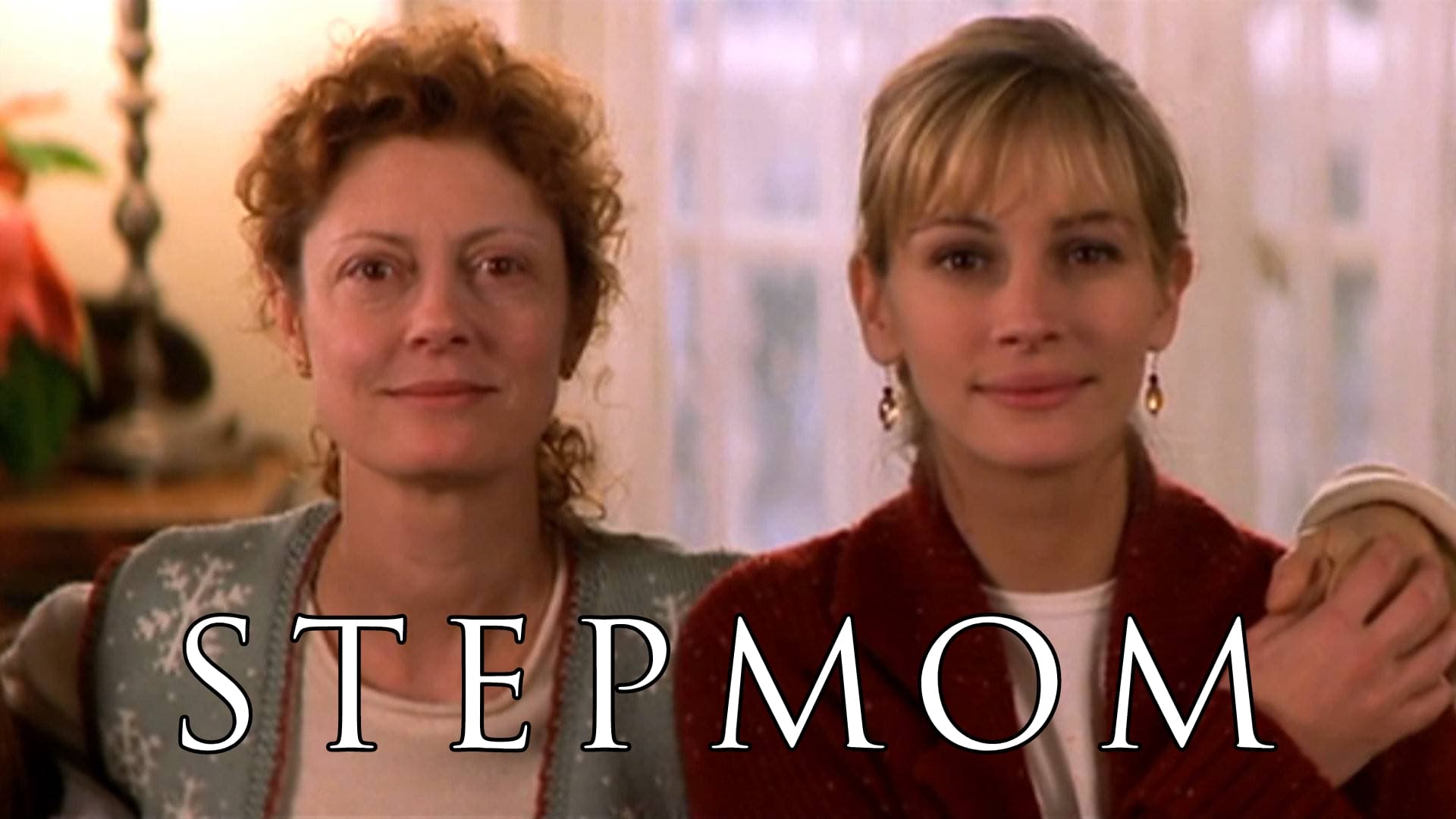
Cultural and Societal Perspectives on Stepmom Roles: Evolution and Comparative Analysis
The role of the stepmother has undergone profound transformations across cultures, shaped by legal reforms, media narratives, and shifting social norms. While traditional societies often relegated stepmothers to marginalized or villainous archetypes, modern stepfamilies increasingly embrace blended roles as a normalized aspect of contemporary family structures. This analysis examines the cross-cultural evolution of stepmother perceptions, contrasting historical expectations with modern adaptations, and evaluates how media and legal milestones have redefined societal attitudes over the past five decades.Evolution of Stepmother Roles Across Western, Eastern, and Non-Western Cultures
Historical and anthropological studies reveal distinct cultural trajectories in stepfamily dynamics, influenced by kinship systems, religious doctrines, and economic structures. In Western cultures, the rise of nuclear family ideals in the 19th century initially stigmatized stepfamilies, portraying them as deviant from the "ideal" mother-father-child unit. Conversely, Eastern cultures, particularly in Confucian-influenced societies (e.g., China, Japan, Korea), historically prioritized patrilineal continuity, where stepmothers often assumed secondary roles in household management while biological mothers retained primary authority over children. Non-Western traditions, such as those in African and Indigenous communities, frequently incorporated stepfamily structures into extended kinship networks, where stepmothers were integrated through ritualized roles (e.g., fosterage or co-wifery) rather than biological lineage.Key shifts in the 20th–21st centuries:
Comparative Analysis: Traditional vs. Modern Expectations for Stepmothers
Traditional expectations for stepmothers varied drastically by region, often reflecting broader gender hierarchies and property inheritance systems. Modern roles, however, emphasize emotional labor, co-parenting, and boundary negotiation within stepfamilies.Traditional Expectations (Pre-1970s):
Modern Expectations (Post-1970s):
Anthropological Case Studies:
Media Portrayals of Stepmothers: Archetypes and Cultural Impact
Media has perpetuated—and occasionally challenged—stereotypes of stepmothers, with narratives evolving alongside societal changes. Archetypes range from villainous usurpers to nurturing mentors, often reflecting cultural anxieties about maternal displacement and familial loyalty.Historical Archetypes and Their Cultural Context:
- The Supportive Mentor (Late 20th–21st Century):
Modern Nuances:
Legal and Social Milestones Shaping Stepmother Roles (20th–21st Centuries)
Legal reforms and social movements have systematically altered stepmothers’ rights, responsibilities, and recognition. Below is a timeline of key milestones, categorized by region:United States and Western Europe:
East Asia

Psychological and Emotional Challenges in Stepmom Relationships
The psychological and emotional landscape of stepmother-child relationships is complex, shaped by unique stressors that differ from those in traditional nuclear families. Research in developmental psychology and family systems highlights how blended families often navigate loyalty conflicts, attachment disruptions, and role ambiguity, which can manifest in both short-term distress and long-term emotional resilience. Stepfamily stress—defined as the cumulative psychological strain arising from role conflicts, co-parenting tensions, and societal expectations—requires tailored therapeutic interventions to mitigate its impact. This section examines the psychological effects on children, the root causes of stepfamily stress, evidence-based therapeutic approaches, and comparative emotional challenges faced by stepmothers in first marriages versus remarriages.Psychological Effects on Children in Blended Families
Children in blended families frequently experience loyalty conflicts, a phenomenon where they feel compelled to choose between a biological parent and a stepparent, particularly when co-parenting is adversarial. Studies by the American Psychological Association (APA) indicate that children as young as 5 years old may exhibit behavioral regression, anxiety, or withdrawal as they grapple with divided allegiance. Attachment issues further complicate these dynamics; children may develop ambivalent attachment toward the stepparent if early interactions are inconsistent or emotionally guarded, while insecure attachment to a biological parent can intensify if that parent is emotionally unavailable due to remarriage stress.Long-term emotional resilience in stepchildren depends on predictable routines, clear communication, and consistent emotional validation. Research published in Journal of Marriage and Family (2018) found that children in blended families who perceive fairness in parental rules and affection demonstrate higher adaptive coping mechanisms. Conversely, triangulation—where a child is forced to mediate parental conflicts—correlates with elevated rates of depression and externalizing behaviors (e.g., aggression, defiance).
Stepfamily Stress: Causes and Coping Mechanisms
Stepfamily stress arises from structural ambiguities and unrealistic societal expectations, leading to chronic tension. Key contributors include:- Co-parenting conflicts: Disagreements over discipline, screen time, or financial responsibilities create a hostile environment, with 68% of stepmothers reporting heightened stress due to ex-spouse interference (Stepfamily Research Institute, 2021).
Actionable coping mechanisms for stepmothers include:
Therapeutic Approaches for Stepfamilies
Family systems therapy and narrative therapy are particularly effective in addressing stepfamily dynamics. Family systems therapy (developed by Salvador Minuchin) focuses on intergenerational patterns, helping stepfamilies identify dysfunctional cycles (e.g., triangulation) and replace them with collaborative problem-solving. A case study from The Family Journal (2020) demonstrated that couples who engaged in structural family therapy for 12 weeks showed a 40% reduction in reported conflicts.Narrative therapy, pioneered by Michael White, empowers stepmothers and children to reauthor their stories, shifting from victimhood to agency. Techniques include:
Expert-recommended techniques for stepmothers:
Comparative Emotional Challenges: First Marriages vs. Remarriages
Stepmothers in first marriages face distinct pressures compared to those in remarriages, primarily due to differing support systems and societal scrutiny.| Factor | First-Marriage Stepmothers | Remarried Stepmothers |
|---|---|---|
| Societal Pressure | Higher stigma ("You’re replacing someone"); judged more harshly for "failing" to fulfill traditional roles. | Greater acceptance if children are older; seen as "helping" rather than "replacing." |
| Support Systems | Limited access to stepfamily-specific resources; may rely on friends or online forums. | More likely to have prior experience with blended families, reducing initial shock. |
| Role Clarity | Struggle with "earning" the stepparent role from scratch. | Benefit from established co-parenting frameworks if children are adults or teens. |
| Emotional Labor | Higher risk of burnout due to dual roles (new spouse + stepchildren). | May delegate more effectively if prior parenting experience exists. |
Debunking Common Misconceptions About Stepmothers
"Stepmothers are inherently jealous of biological mothers."
Refutation: Jealousy is not a default trait but a contextual reaction to perceived threats (e.g., exclusion from milestones). A study in Psychology of Women Quarterly (2017) found that stepmothers with secure attachment styles report lower envy, suggesting personality—not role—drives emotions.
"Stepmothers replace biological mothers."
Refutation: Research from Child Development Perspectives (2016) shows that 90% of stepchildren maintain strong bonds with biological mothers, regardless of stepparent involvement. Stepmothers who adopt a "parallel parenting" approach (supporting, not supplanting) foster healthier relationships.
"Blended families are doomed to fail."
Refutation: Longitudinal data from National Stepfamily Resource Center reveals that 70% of stepfamilies stabilize within 4–7 years, with resilience tied to consistent routines and therapeutic intervention. Failure rates mirror those of first marriages (40–50%), debunking the myth of inherent instability.
"Stepmothers who love stepchildren are ‘doing it wrong.’"
Refutation: Unconditional positive regard (a tenet of Rogers’ client-centered therapy) is critical for attachment. Stepmothers who balance boundaries with genuine affection model healthy relationships, per Journal of Family Psychology (2022).

Practical Strategies for Building Strong Stepmom-Child Bonds
Establishing a meaningful and trusting relationship between a stepmother and her stepchildren requires intentional effort, emotional intelligence, and adaptability. Unlike biological parent-child bonds, which often develop organically, stepfamily relationships demand structured strategies to foster connection, respect, and mutual understanding. Research from the Journal of Family Psychology (2018) indicates that stepmothers who proactively engage in relationship-building activities report higher satisfaction and lower conflict levels in blended families. This section provides actionable frameworks for trust-building, boundary-setting, and conflict navigation, grounded in psychological principles and real-world applications.Step-by-Step Guide to Establishing Trust with Stepchildren
Trust is the cornerstone of any healthy relationship, particularly in stepfamilies where historical dynamics and unresolved emotions may complicate interactions. The process of earning trust should be gradual, patient, and consistent, avoiding pressure or forced intimacy. A study by Dr. Patricia Papernow (Between Two Worlds, 2004) highlights that stepchildren often test boundaries and loyalty before fully opening up, a natural defense mechanism against perceived betrayal or replacement. Below is a phased approach to trust-building, aligned with developmental psychology and stepfamily therapy insights.Phase 1: Observation and Non-Judgmental Engagement
Before initiating deep conversations or shared activities, stepmothers should prioritize passive observation—understanding the child’s personality, interests, and communication style. This phase involves:
Phase 2: Low-Stakes Shared Activities
Trust is cultivated through positive, voluntary interactions. Structured activities reduce pressure while allowing natural bonding. Examples include:
Phase 3: Emotional Availability and Validation
Stepchildren often seek reassurance that their feelings are acknowledged, even if they resist closeness. Techniques include:
Phase 4: Consistency and Reliability
Trust is reinforced through predictable, follow-through actions. Key practices:
Milestones to Track Progress
| Timeframe | Behavioral Indicator | Step-Mother’s Response |
|---|---|---|
| 3–6 months | Child initiates casual conversation | Listen actively; avoid overreacting to negativity. |
| 6–12 months | Willingness to share personal stories | Validate emotions; avoid prying. |
| 12+ months | Seeking advice or comfort independently | Offer support without overstepping boundaries. |
Setting Healthy Boundaries in Stepfamily Relationships
Boundaries in stepfamilies serve as protective frameworks for emotional well-being, preventing resentment, triangulation, or role confusion. However, cultural norms and individual personalities influence how boundaries are perceived. For instance, in collectivist cultures (e.g., many Asian or Latin American families), children may expect stepmothers to fulfill nurturing roles quickly, while individualistic cultures (e.g., Western societies) may prioritize autonomy and gradual integration. The key is to establish limits that respect the stepchild’s autonomy while maintaining the stepmother’s emotional safety.Boundary Categories and Implementation
Boundaries should be categorized by relationship type: stepchildren, ex-partners, and biological parents. Each requires distinct strategies to avoid conflicts of interest.
1. With Stepchildren
2. With Ex-Partners
3. With Biological Parents
| Scenario | Do | Don’t | Cultural Note |
|---|---|---|---|
| Gift-giving | Give practical items (e.g., books, tools) | Avoid expensive gifts that imply favoritism. | In Japan, modest gifts are preferred; extravagance may cause discomfort. |
| School events | Attend as a supportive presence | Volunteer to teach or discipline. | In the U.S., stepmothers are often expected to participate; in some Middle Eastern cultures, biological parents may view this as overstepping. |
| Discipline disagreements | Say: "Let’s talk about this privately." | Criticize the ex-partner in front of the child. | In Latin American families, public disagreements may be seen as disrespectful. |
| Medical emergencies | Act as a secondary contact if authorized. | Make unilateral decisions without the bio-parent’s input. | In China, family decisions are often collective; stepmothers should defer to elders. |
Scripts for Difficult Conversations
Navigating sensitive topics—such as favoritism, holiday schedules, or discipline—requires tact to avoid escalating tension. Below are evidence-based scripts designed to de-escalate conflict while maintaining authority and empathy. These are rooted in Gottman’s Conflict Management Theory (1999), which emphasizes softening startup phrases and validating emotions before addressing issues.1. Addressing Perceived Favoritism
> "I’ve noticed you’ve been quiet about [specific situation, e.g., your sister getting more attention]. I want you to know I’m not trying to play favorites—I’m just learning how to balance things for everyone. Can we talk about how you’d like me to support you differently?"
2. Discussing Holiday Schedules with Ex-Partners
> "I know holidays can be tough transitions. To make it easier, let’s outline a plan now: [Child’s Name] will spend [X] days with you and [Y] days with us. We’ll also agree on a pickup/drop-off time to avoid stress. Does that work for you?"
3. Navigating Discipline Disagreements
> "I understand you handle discipline differently, and that’s your right. When [Child’s Name] breaks a rule here, I’ll address it calmly, but I’d appreciate it if you’d support the same consequences when they’re with you. Can we agree to discuss this as a team?"
Financial and Legal Considerations for Stepmothers
The transition into a stepmother role often involves navigating complex financial and legal landscapes, particularly when blended families merge assets, parental responsibilities, and inheritance rights. Stepmothers may face unique challenges, including unclear inheritance entitlements, tax obligations tied to blended family structures, and disputes over child support or custody. Legal protections such as prenuptial agreements, wills, and custody clauses become critical tools for safeguarding personal and familial interests. This section examines the financial implications of remarriage, legal strategies for securing rights, and the dynamics of child support in stepfamilies, supplemented by country-specific examples and actionable templates for legal documentation.Financial Implications of Remarriage for Stepmothers
Remarriage introduces financial complexities that differ significantly from first marriages, particularly regarding inheritance, spousal support, and tax obligations. Stepmothers may lack automatic inheritance rights over stepchildren, and their financial contributions to the household may not be legally recognized in the event of separation or death. Tax implications, such as joint filings or exemptions for stepchildren, also vary by jurisdiction. For example, in the United States, stepchildren are not considered dependents for tax purposes unless legally adopted, whereas in Germany, stepchildren may qualify for tax benefits under specific conditions if the stepparent assumes financial responsibility.Key financial considerations include:
Stepmothers should treat financial agreements in blended families as contractual obligations, documented through prenuptial agreements or cohabitation contracts, to avoid disputes during dissolution.
Legal Steps to Protect Stepmothers’ Interests
Proactive legal planning is essential for stepmothers to mitigate risks associated with remarriage, particularly regarding asset protection, inheritance, and parental rights. Key documents include prenuptial agreements, wills, and custody clauses, each serving distinct purposes in safeguarding interests. Real-world cases highlight the consequences of neglecting these measures: in California, a stepmother lost her claim to the family home after divorce because she was not legally married to the biological parent, despite contributing financially for decades. Conversely, a Texas case (2018) saw a stepmother successfully argue for visitation rights after proving her long-term emotional bond with the stepchild, though this required extensive legal documentation.Critical legal steps include:
Stepmothers should consult family law attorneys to draft or review documents, as generic templates may not address blended-family nuances. For example, a standard will may exclude stepchildren unless explicitly modified.
Child Support Dynamics in Stepmfamilies
Child support in stepfamilies often involves balancing legal obligations with informal contributions, where stepmothers may provide financial or emotional support without formal recognition. Biological parents retain primary legal responsibility, but stepmothers can advocate for fair contributions by documenting expenses and negotiating co-parenting agreements. In U.S. states like Florida, child support guidelines do not account for stepmother contributions, leading to potential inequities. Conversely, Norway allows stepmothers to claim reimbursement for childcare costs if the biological parent fails to meet support obligations, provided it is court-approved.Strategies for navigating child support include:
Stepmothers should avoid framing child support discussions as personal entitlements; instead, focus on the child’s well-being and the biological parent’s legal obligations.
Templates for Legal Documents with Key Clauses
Stepmothers should review or create the following legal documents, prioritizing clauses that address blended-family specifics. Below are annotated templates with critical provisions:1. Prenuptial Agreement
2. Will or Trust
3. Parenting Plan
4. Cohabitation Agreement
5. Power of Attorney
Templates should be tailored by family law attorneys, as generic forms may not comply with local statutes. For instance, a California prenuptial agreement must meet specific timing and disclosure requirements to be enforceable.
Decision-Making Flowchart for Legal Disputes
Stepmothers facing disputes (e.g., visitation rights, property division) should follow a structured approach to resolve conflicts efficiently. Below is a textual representation of a decision-making flowchart:1. Identify the Dispute Type
2. Gather Documentation
The path of a stepmother is neither linear nor universally defined, yet its impact on families and individuals is profound and enduring. By unpacking the cultural stereotypes that have both marginalized and mythologized stepmothers, we reveal a role that is as much about emotional labor as it is about legal and financial acumen. The strategies outlined here—from building trust through consistent communication to navigating custody disputes with informed advocacy—serve as a roadmap for those seeking to transform challenges into opportunities for growth. Ultimately, the modern stepmother’s legacy lies not in conforming to outdated narratives but in redefining her place within the family, one deliberate step at a time.
Leave a Comment
Comments are moderated before appearing. The data you submit is processed according to the Privacy Policy of Ns2.