Calcium Supplements For Pregnant Women Essentials
Table of Contents
- Understanding Calcium Supplement Needs for Pregnant Women
- Physiological Role of Calcium During Pregnancy
- Recommended Daily Calcium Intake for Pregnant Women
- Calcium Absorption Rates Across Trimesters
- Natural Dietary Sources of Calcium Ranked by Bioavailability
- Types of Calcium Supplements Suitable for Pregnancy
- Comparison of Calcium Supplement Forms for Pregnancy
- Evaluating Supplement Labels for Safety and Purity
- Risks of Excessive Calcium Intake and Safe Dosage Monitoring
- Factors Influencing Calcium Absorption in Pregnant Women
- Physiological and Dietary Factors Affecting Calcium Absorption
- Flowchart: Interaction Between Calcium, Vitamin D, and Magnesium in Pregnancy
- Step-by-Step Guide to Optimizing Calcium Absorption
- Safety and Regulatory Considerations for Calcium Supplements in Pregnancy
- Red Flags in Selecting Calcium Supplements for Pregnant Women
- Regulatory Guidelines on Calcium Supplement Safety During Pregnancy
- Verifying Manufacturing Standards and Reporting Adverse Reactions
- Practical Guide to Integrating Calcium Supplements into a Pregnancy Diet Plan
- Sample Daily Meal Plan for Calcium-Rich Pregnancy Nutrition
- 7-Day Calcium-Rich Meal Log Template
- Visual Guide: Combining Calcium-Rich Foods with Vitamin D Sources
- Cultural and Regional Perspectives on Calcium Intake During Pregnancy
- Traditional Dietary Practices for Calcium Intake Across Regions
- Cultural Taboos and Myths Affecting Calcium Supplement Use
Pregnancy places heightened demands on maternal nutrition, particularly calcium, which is critical for fetal skeletal formation and maintaining maternal bone integrity. The World Health Organization emphasizes that inadequate calcium intake during gestation can elevate risks of preeclampsia, preterm birth, and reduced fetal bone mineralization. This guide dissects the physiological imperatives of calcium supplementation for expectant mothers, balancing scientific rigor with practical dietary integration to ensure optimal absorption and safety.
From trimester-specific requirements to the biochemical interplay between calcium, vitamin D, and magnesium, the discussion navigates both evidence-based guidelines and real-world challenges. Comparative analyses of supplement formulations—such as calcium carbonate versus citrate—reveal nuanced trade-offs in bioavailability and gastrointestinal tolerance, while regulatory frameworks from the FDA and EFSA provide a foundation for discerning safe, high-quality products. Cultural adaptations, regional dietary traditions, and dietary restrictions further refine recommendations, ensuring inclusivity for diverse populations.
Understanding Calcium Supplement Needs for Pregnant Women
Calcium is a critical mineral during pregnancy, supporting both maternal and fetal health through its role in bone mineralization, neuromuscular function, and cellular signaling. Adequate calcium intake ensures proper fetal skeletal development while mitigating maternal risks such as osteoporosis and hypertensive disorders. Pregnant women require higher calcium levels due to increased demand for fetal bone formation and placental transfer, necessitating precise dietary or supplemental intake aligned with global health guidelines.The physiological role of calcium extends beyond skeletal integrity. It regulates muscle contractions, including uterine and cardiovascular function, and contributes to blood clotting and nerve transmission. During pregnancy, calcium absorption efficiency improves due to hormonal adaptations (e.g., elevated 1,25-dihydroxyvitamin D), but this does not negate the need for sufficient intake. Maternal bone resorption may occur if dietary calcium is insufficient, leading to long-term bone density loss. The World Health Organization (WHO) and National Institutes of Health (NIH) emphasize calcium’s dual protective role: safeguarding fetal growth while preserving maternal bone health across trimesters.
Physiological Role of Calcium During Pregnancy
Calcium’s primary function during pregnancy is fetal skeletal development, where approximately 25–30 grams of calcium are deposited in the fetus by term. This process begins in the second trimester, accelerating bone mineralization in the third trimester. Maternal calcium also supports:"Inadequate calcium intake during pregnancy is associated with a 2–3 times higher risk of preeclampsia and reduced fetal bone mineral content at birth, with lasting implications for childhood skeletal health." — NIH Office of Dietary Supplements (ODS), 2020Hormonal changes, such as increased parathyroid hormone (PTH) and calcitonin, enhance calcium mobilization from maternal bones and intestinal absorption. However, these adaptations are insufficient to compensate for chronic deficiency, underscoring the necessity of dietary or supplemental calcium to meet elevated demands.
Recommended Daily Calcium Intake for Pregnant Women
Authoritative health organizations provide distinct yet converging guidelines for calcium intake during pregnancy. The WHO and NIH recommend the following daily allowances, adjusted for trimester-specific needs:| Organization | General Adult Women (Non-Pregnant) | Pregnant Women (Ages 19–50) | Upper Intake Limit (UL) |
|---|---|---|---|
| WHO (2013) | 1,000 mg | 1,200–1,500 mg | 2,500 mg |
| NIH/ODS (2023) | 1,000 mg | 1,000–1,300 mg (trimester-dependent) | 2,500 mg |
| Institute of Medicine (IOM, 2019) | 1,000 mg | 1,000–1,300 mg | 2,500 mg |
"The NIH specifies 1,000 mg/day for pregnant women aged 19–50 if dietary intake is adequate, with a target of 1,300 mg/day in cases of insufficient dietary calcium or high-risk pregnancies (e.g., multiple gestations)." — NIH Fact Sheet for Health Professionals (2023)Key Considerations for Calcium Requirements:
Factors Influencing Calcium Needs:
Calcium Absorption Rates Across Trimesters
Calcium absorption varies by trimester due to hormonal and physiological adaptations. The bioavailability of dietary calcium (fraction absorbed) ranges from 20–60%, influenced by factors like vitamin D status, fiber intake, and oxalate/phytate content in foods. Below is a comparative table of absorption dynamics:| Trimester | Estimated Calcium Demand (mg/day) | Absorption Efficiency (%) | Key Physiological Adaptations | Risk of Deficiency if Unmet |
|---|---|---|---|---|
| First Trimester | 1,000–1,200 mg | 30–40% |
|
|
| Second Trimester | 1,200–1,300 mg | 40–50% |
|
|
| Third Trimester | 1,300–1,500 mg | 50–60% |
|
|
"The WHO notes that <30% absorption efficiency in the third trimester correlates with a 40% higher likelihood of maternal vertebral fractures within 5 years postpartum." — WHO Technical Report Series No. 972 (2013)
Natural Dietary Sources of Calcium Ranked by Bioavailability
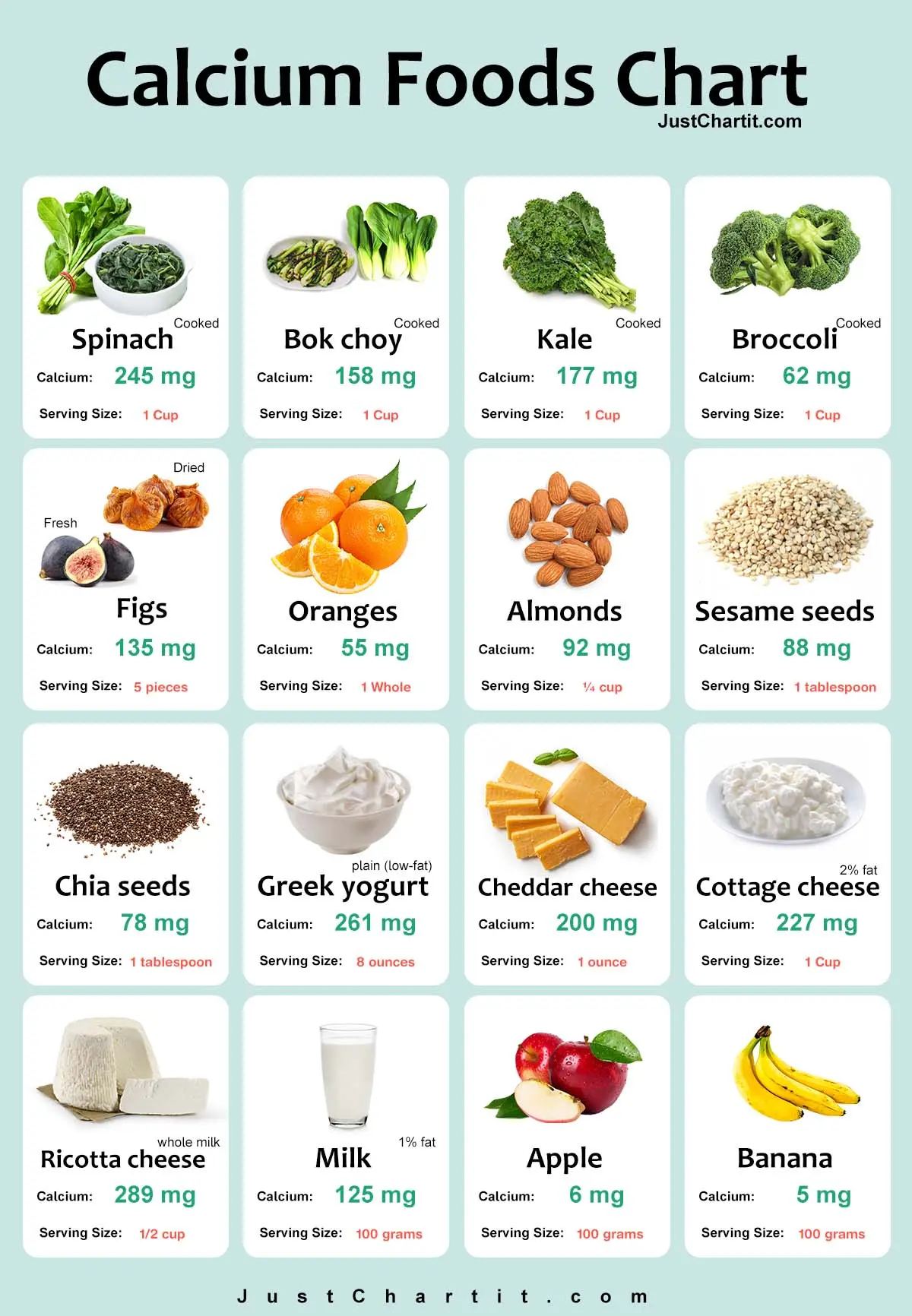
Dietary calcium is preferred over supplements due to its synergistic absorption with other nutrients (e.g., magnesium, vitamin K). Below is a ranked list of natural sources, prioritized by bioavailability (percentage absorbed) and absorption efficiency (influenced by vitamin D, protein, and lactose content):"Calcium bioavailability is highest in dairy products and fortified plant milks, while spinach and rhubarb contain oxalates that bind calcium, reducing absorption by 50–70%." — EFSA Panel on
Types of Calcium Supplements Suitable for Pregnancy
Calcium supplementation during pregnancy requires careful consideration of bioavailability, absorption efficiency, and safety to ensure optimal maternal and fetal health. Not all calcium supplements are equally effective, and their suitability depends on factors such as chemical form, dosage, and potential interactions with other nutrients. Selecting the appropriate supplement involves evaluating absorption rates, side effects, and regulatory certifications to mitigate risks like hypercalcemia while meeting the increased calcium demands of pregnancy.The choice of calcium supplement influences how efficiently the body absorbs and utilizes calcium, which is critical for bone development, muscle function, and cardiovascular health. Pregnant women must prioritize supplements with high bioavailability and minimal gastrointestinal discomfort, while also adhering to recommended daily allowances (typically 1,000–1,300 mg/day, depending on age and dietary intake). Below are the most common forms of calcium supplements, their comparative advantages, and guidelines for safe usage.
Comparison of Calcium Supplement Forms for Pregnancy
The following table summarizes the key characteristics of calcium supplements commonly recommended for pregnant women, including their absorption rates, potential side effects, and optimal timing for intake. These factors are critical for determining efficacy and minimizing adverse effects.
Name Absorption Rate Side Effects Best Time to Take Calcium Carbonate Highest bioavailability (~40%) when taken with food, particularly meals containing vitamin D or acidic components (e.g., citrus). Less effective on an empty stomach.
Absorption efficiency improves in acidic environments (e.g., during meals).
- Constipation (most common, due to high elemental calcium content).
- Gastrointestinal discomfort (e.g., bloating, gas) if taken in excess or without food.
- Risk of kidney stones in susceptible individuals with prolonged high doses.
With meals, preferably during or immediately after lunch or dinner. Avoid taking with coffee, tea, or high-fiber foods, as these may inhibit absorption.
Calcium Citrate Moderate to high bioavailability (~30–50%), independent of food intake. More easily absorbed than carbonate, especially in individuals with low stomach acid.
Ideal for pregnant women with acid reflux or those taking proton pump inhibitors (PPIs).
- Mild gastrointestinal upset (less severe than carbonate).
- Rare cases of hypercalcemia with excessive supplementation.
Can be taken with or without food, but consistency in timing (e.g., morning and evening) may improve compliance.
Calcium Gluconate Lower bioavailability (~19% elemental calcium) compared to carbonate or citrate. Often used in medical settings for intravenous administration or emergency calcium replacement.
Not typically recommended as a primary supplement for daily pregnancy needs due to lower efficiency.
- Minimal gastrointestinal side effects but less effective for long-term supplementation.
- Risk of tissue calcification with intravenous use (rare in oral supplements).
If used, take with meals to enhance absorption, though it remains less efficient than carbonate or citrate.
Calcium Lactate Moderate bioavailability (~32% elemental calcium). Often combined with other calcium salts in supplements.
May be preferable for women with lactose intolerance if taken in small doses, but not a primary recommendation.
- Lactose-related discomfort in sensitive individuals.
- Mild constipation.
With meals to align with natural calcium absorption cycles.
Calcium Phosphate Low bioavailability (~25%) and rarely used as a standalone supplement. Often found in fortified foods (e.g., cereals).
Avoid as a primary supplement due to poor absorption and potential for excessive phosphorus intake.
- No significant side effects at recommended doses, but excessive intake may disrupt calcium-phosphorus balance.
Not recommended for supplementation; rely on dietary sources if consumed.
Evaluating Supplement Labels for Safety and Purity
Pregnant women must scrutinize supplement labels to ensure they meet safety standards, avoid contaminants, and provide the advertised elemental calcium content. Key elements to verify include:- Elemental Calcium Content: The label should specify the amount of elemental calcium (the actual calcium the body absorbs) per serving, not just the total weight of the supplement. For example, calcium carbonate contains 40% elemental calcium, while calcium citrate contains 21%. A 500 mg tablet of calcium carbonate provides 200 mg of elemental calcium, whereas a 600 mg tablet of calcium citrate provides 126 mg.
Always calculate elemental calcium based on the supplement’s chemical form to avoid under- or overdosing.Third-Party Certifications: Look for seals from reputable organizations such as: USP (United States Pharmacopeia): Verifies purity, strength, and dissolution. NSF International: Ensures supplements meet quality and safety standards. GMP (Good Manufacturing Practices): Indicates adherence to manufacturing quality controls. Informed-Choice or ConsumerLab: Provides independent testing for contaminants and efficacy. - Additives and Fillers: Avoid supplements containing unnecessary additives such as:
Artificial colors or flavors (e.g., FD&C Blue No. 1), which may pose unknown risks. Excessive binders or fillers (e.g., magnesium stearate), which could interfere with absorption. Heavy metals or contaminants (e.g., lead, arsenic), which should be tested for by certified labs. - Dosage Instructions: Pregnant women should avoid supplements exceeding 500–600 mg of elemental calcium per dose, as this can overwhelm absorption mechanisms and increase side effects. Split doses throughout the day (e.g., morning and evening) for better tolerance.
Risks of Excessive Calcium Intake and Safe Dosage Monitoring
While calcium is essential during pregnancy, excessive intake—particularly from supplements—can lead to hypercalcemia, a condition characterized by abnormally high calcium levels in the blood. This poses risks to both maternal and fetal health, including:- Maternal Complications:
Kidney Stones: High calcium intake increases urinary calcium excretion, raising the risk of nephrolithiasis. Constipation and Gastrointestinal Distress: Chronic high doses may cause persistent constipation, nausea, or vomiting. Hypercalcemia Symptoms: Fatigue, weakness, confusion, or irregular heartbeat, which may indicate severe toxicity. Interference with Mineral Absorption: Excess calcium can inhibit the absorption of iron, zinc, and magnesium, leading to deficiencies. - Fetal Risks:
Premature Bone Mineralization: Excessive calcium may accelerate fetal bone development, potentially restricting growth or causing skeletal abnormalities. Neonatal Hypocalcemia: Rare cases where excessive maternal calcium disrupts fetal calcium regulation, leading to low calcium levels at birth. Safe Dosage Guidelines:
Total Intake: The Institute of Medicine (IOM) recommends 1,000–1,300 mg/day of calcium for pregnant women, depending on age. Most women can achieve this through diet (e.g., dairy, leafy greens, fortified foods) without supplements. Supplementation Threshold: If supplementation is necessary, limit doses to ≤ 500–
Factors Influencing Calcium Absorption in Pregnant Women
Calcium absorption during pregnancy is a dynamic process influenced by physiological adaptations, dietary choices, and lifestyle factors. Efficient calcium utilization is critical for fetal skeletal development, maternal bone health, and preventing conditions such as preeclampsia. Key determinants include hormonal fluctuations, nutrient interactions (e.g., vitamin D, magnesium, and oxalates), and external factors like caffeine and digestive efficiency. Understanding these factors allows pregnant women to optimize calcium intake through targeted dietary and supplemental strategies, ensuring both maternal and fetal needs are met without compromising absorption.
Physiological and Dietary Factors Affecting Calcium Absorption
Hormonal and Metabolic Adaptations
During pregnancy, hormonal shifts—particularly increased levels of 1,25-dihydroxyvitamin D (calcitriol) and parathyroid hormone (PTH)—enhance calcium absorption in the intestines and reabsorption in the kidneys. Calcitriol, the active form of vitamin D, binds to intestinal calcium-binding proteins (e.g., calbindin-D9k), facilitating transcellular transport. However, hypercalcemia (elevated blood calcium) may occur if vitamin D levels are excessively high, potentially leading to maternal-fetal calcium imbalance. Additionally, estrogen promotes bone resorption in early pregnancy to mobilize calcium, while progesterone may reduce gastrointestinal motility, indirectly affecting nutrient absorption.Vitamin D Status and Synergistic Roles
Vitamin D is indispensable for calcium absorption, with ~30% of dietary calcium absorbed in its presence compared to ~10–15% without adequate vitamin D. The National Institutes of Health (NIH) recommends pregnant women maintain serum 25-hydroxyvitamin D (25(OH)D) levels between 20–50 ng/mL (50–125 nmol/L). Deficiency (<20 ng/mL) impairs absorption, increasing risks of gestational hypertension and preterm birth. Magnesium further supports calcium metabolism by activating ATP-dependent calcium pumps in cells, while phosphorus ensures proper mineralization of bone matrix. Disruptions in these interactions—such as magnesium deficiency—can lead to tetany (muscle spasms) or osteomalacia in severe cases.Inhibitory Dietary Components
Certain dietary compounds interfere with calcium absorption:
Oxalates (found in spinach, Swiss chard, nuts, and chocolate) bind calcium in the gut, forming insoluble calcium oxalate complexes that are excreted rather than absorbed. Studies suggest oxalate-rich foods may reduce calcium bioavailability by up to 50% when consumed in excess. Phytates (present in whole grains, legumes, and seeds) similarly bind calcium, though soaking, sprouting, or fermenting these foods can degrade phytates and improve absorption. Excessive caffeine (e.g., >300 mg/day from coffee or tea) may increase urinary calcium excretion, though moderate intake (≤200 mg/day) does not significantly impact net absorption when calcium intake is adequate. Digestive and Gut Health Considerations
Pregnancy-related changes—such as reduced stomach acid (hypochlorhydria) due to progesterone and altered gut microbiota—can impair calcium absorption. Lactase deficiency (common in some populations) may reduce calcium absorption from dairy if lactose intolerance is present. Meanwhile, probiotics (e.g., Lactobacillus and Bifidobacterium strains) enhance gut barrier function and may improve mineral absorption by modulating pH and reducing inflammatory cytokines. Digestive enzymes (e.g., pancreatic lipase) also play a role, as fat malabsorption (e.g., in conditions like celiac disease) can indirectly limit calcium uptake due to shared transport mechanisms.
Flowchart: Interaction Between Calcium, Vitamin D, and Magnesium in Pregnancy
- Vitamin D Activation Pathway
- Sunlight exposure → Cholecalciferol (D3) or dietary ergocalciferol (D2) → Liver (25(OH)D) → Kidneys (calcitriol, 1,25(OH)2D).
- Calcitriol binds to vitamin D receptors (VDR) in intestinal epithelial cells, upregulating calcium-binding proteins (calbindin-D9k).
- Enhanced transcellular calcium transport across intestinal brush border → Increased serum calcium.
- Calcium Absorption and Utilization
- Dietary calcium (dairy, fortified foods, supplements) → Intestinal absorption (30–60% efficiency with adequate vitamin D).
- Absorbed calcium enters bloodstream → Used for:
- Fetal skeletal mineralization (90% of fetal calcium accretion occurs in third trimester).
- Maternal bone remodeling (net loss of 30–50g calcium from maternal skeleton by term).
- Muscle contraction, nerve function, and blood clotting.
- Excess calcium excreted via feces (unabsorbed) or urine (regulated by PTH and calcitonin).
- Magnesium’s Regulatory Role
- Magnesium activates ATP-dependent calcium pumps (e.g., PMCA, SERCA), facilitating cellular calcium uptake.
- Supports parathyroid gland function, modulating PTH secretion to maintain calcium homeostasis.
- Deficiency (1.5 mg/dL serum levels) increases risk of pre-eclampsia and preterm labor by impairing vascular relaxation.
- Food sources: Nuts, seeds, leafy greens, whole grains, and legumes.
- Inhibitory and Enhancing Factors
- Enhancers:
- Vitamin D sufficiency (25(OH)D ≥ 30 ng/mL).
- Moderate protein intake (enhances calbindin production).
- Low-oxalate, low-phytate diets (e.g., cooked greens vs. raw).
- Probiotics (e.g., Lactobacillus acidophilus).
- Inhibitors:
- Vitamin D deficiency (<20 ng/mL).
- Excess caffeine (>300 mg/day) or sodium (promotes urinary calcium loss).
- High-oxalate foods (e.g., spinach, beets) consumed without calcium-rich pairings.
- Gastrointestinal disorders (e.g., celiac disease, Crohn’s disease).
Key Synergy: Optimal calcium absorption requires a 1:1 ratio of calcium to vitamin D (e.g., 600 mg calcium : 15 mcg vitamin D) and sufficient magnesium to prevent secondary deficiencies.Step-by-Step Guide to Optimizing Calcium Absorption
Step 1: Assess Nutritional Status and Supplementation Needs
Screen for deficiencies: Blood tests for 25(OH)D, serum calcium, magnesium, and PTH should be conducted, especially in high-risk groups (e.g., dark-skinned individuals, limited sun exposure, vegan diets). Supplementation guidelines: Calcium: 1,000–1,300 mg/day (split into ≤500 mg doses to avoid absorption saturation). Vitamin D: 600–2,000 IU/day (adjust based on serum levels; some guidelines recommend 4,000 IU/day for deficient individuals under supervision). Magnesium: 350–400 mg/day (prioritize food sources like pumpkin seeds or almonds before supplements). Step 2: Time Supplements Strategically with Meals
Calcium supplements
Safety and Regulatory Considerations for Calcium Supplements in Pregnancy
Calcium supplementation during pregnancy must adhere to strict safety and regulatory standards to prevent adverse effects on maternal and fetal health. Poor-quality supplements may contain contaminants such as heavy metals or excessive additives, while improper dosing can lead to hypercalcemia or nutrient interactions with prenatal vitamins. Regulatory guidelines from global health authorities provide structured limits and quality benchmarks to ensure supplement safety. This section outlines key red flags in supplement selection, regulatory compliance frameworks, verification methods for manufacturing standards, and strategies for safe integration with prenatal vitamins.
Red Flags in Selecting Calcium Supplements for Pregnant Women
Contaminants and artificial additives in calcium supplements pose significant risks during pregnancy, including developmental abnormalities and maternal toxicity. The following checklist identifies critical warning signs to avoid when choosing supplements:
- Heavy metal contamination: Supplements may contain lead, arsenic, cadmium, or mercury, which accumulate in fetal tissues and impair neurological development. Testing for these metals is mandatory in regulated markets, but uncertified brands may lack transparency.
- Excessive fillers or binders: Ingredients such as magnesium stearate, talc, or artificial dyes (e.g., FD&C Blue No. 1) may trigger allergic reactions or gastrointestinal distress. Pregnant women with sensitivities are particularly vulnerable.
- Artificial sweeteners or flavors: Compounds like aspartame or sucralose have not been extensively studied for long-term fetal exposure and may alter metabolic pathways. Natural alternatives (e.g., stevia) are preferable.
- Unverified sourcing of calcium carbonate or citrate: Low-quality sources may derive from polluted water or industrial byproducts, increasing the risk of trace contaminant ingestion.
- Lack of third-party testing certificates: Absence of labels indicating independent lab verification (e.g., USP, NSF, or Informed-Choice) suggests potential quality control deficiencies.
- Dosage exceeding regulatory limits: Calcium intakes above 2,500 mg/day (including dietary sources) may lead to hypercalcemia, which can cause constipation, kidney stones, or fetal skeletal abnormalities.
Key Consideration: Pregnant women should prioritize supplements with "clean label" certifications (e.g., NSF Certified for Sport, USP Verified) and avoid products marketed with vague claims like "natural" or "pure" without specific testing details.Regulatory Guidelines on Calcium Supplement Safety During Pregnancy
Global health authorities establish maximum daily limits and quality standards for calcium supplements to mitigate risks during pregnancy. The following table summarizes key regulatory bodies, their recommended limits, and additional safety protocols:
Regulatory Body Country/Region Maximum Daily Calcium Intake (Including Diet + Supplements) Key Safety Protocols Additional Requirements Food and Drug Administration (FDA) United States 2,500 mg for adults (19–50 years); no specific pregnancy limit but advises caution above 2,000 mg/day.
- Mandates heavy metal testing (e.g., lead ≤ 0.5 ppm, arsenic ≤ 0.1 ppm).
- Requires Good Manufacturing Practices (GMP) compliance.
- Prohibits unapproved drug claims (e.g., "prevents preterm birth").
Supplements must include a disclaimer: "This product is not intended to diagnose, treat, cure, or prevent disease." European Food Safety Authority (EFSA) European Union 2,500 mg (upper limit for all adults); pregnant women advised to consult healthcare providers for doses above 1,500 mg/day.
- Enforces EU Directive 2002/46/EC for supplement safety.
- Requires declaration of all ingredients, including excipients.
- Bans contaminants like dioxins and PCBs in dietary supplements.
Mandatory notification of novel foods (e.g., algae-based calcium) to EFSA before market entry. Badan Pengawas Obat dan Makanan (BPOM) Indonesia 1,500–2,000 mg (recommended); no explicit upper limit but advises against exceeding 2,500 mg/day.
- Requires GMP certification (Peraturan Menteri Kesehatan No. 7/2016).
- Prohibits supplements with >10% of the Daily Value (DV) for vitamins/minerals unless justified.
- Mandates heavy metal testing (e.g., lead ≤ 2 ppm, arsenic ≤ 1 ppm).
Supplements must display BPOM registration numbers and expiration dates. Therapeutic Goods Administration (TGA) Australia 2,500 mg (upper limit); pregnant women advised to limit to 1,500–2,000 mg/day unless prescribed.
- Requires TGA-listed or registered supplements (e.g., Listed Medicines or Registered Supplements).
- Mandates compliance with Australian Code for the Use of Supplements.
- Prohibits claims of treating medical conditions without approval.
Supplements must include a Medicines Australia (MBS) number if subsidized. Critical Note: Regulatory limits are not one-size-fits-all; individual tolerance varies based on baseline calcium levels, renal function, and concurrent medications. Healthcare providers should assess needs using 24-hour dietary recalls and blood calcium tests (ionized calcium levels).Verifying Manufacturing Standards and Reporting Adverse Reactions
Supplements manufactured under Good Manufacturing Practices (GMP) reduce risks of contamination and dosage inaccuracies. Pregnant women should verify the following certifications and procedures:
- GMP Certification: Ensures facilities adhere to quality control measures for raw materials, production, and packaging. Look for logos from:
- FDA-registered facilities (U.S.).
- EU GMP (European Union).
- World Health Organization (WHO) GMP (global).
- BPOM-GMP (Indonesia).
- Third-Party Testing Labels: Independent organizations validate purity and potency:
- USP Verified: Tests for identity, strength, purity, and dissolution.
- NSF International: Certifies for contaminants and label accuracy.
- Informed-Choice: Specialized for sports supplements (also applicable to prenatal products).
- ConsumerLab.com: Provides test results for supplements (subscription-based).
- Expiration Dates and Storage Instructions: Calcium carbonate/citrate degrades over time, especially in humid conditions. Expired supplements may contain oxalates (reducing absorption) or microbial growth.
- Country of Origin: Supplements from countries with weak regulatory oversight (e.g., some Asian or African markets) may lack heavy metal testing. Prioritize brands sourced from GMP-compliant facilities in regulated regions.
Actionable Step: Use the FDA’s "Supplement OWL" (https://www.drugs.com/supplements) or BPOM’s online database ([https://www.bpom.go.id](https://www.bpom.go
Practical Guide to Integrating Calcium Supplements into a Pregnancy Diet Plan
Optimal calcium intake during pregnancy requires strategic planning to ensure both maternal and fetal needs are met while avoiding nutrient imbalances. A well-structured diet plan incorporating calcium-rich foods, vitamin D sources, and prenatal supplements—along with timing adjustments for absorption—can mitigate common pregnancy-related challenges such as nausea or constipation. This guide provides actionable steps, including a sample daily meal plan, a 7-day meal log template, and visual aids for combining nutrients effectively.
Sample Daily Meal Plan for Calcium-Rich Pregnancy Nutrition
A balanced pregnancy diet should prioritize 1,000–1,300 mg of calcium daily, alongside iron (27 mg), folate (600 mcg), and omega-3 fatty acids (200–300 mg DHA/EPA). Below is a structured 24-hour plan that integrates these nutrients while addressing common barriers like food aversions or digestive discomfort.Key Principles:
Pair calcium with vitamin D (e.g., fortified dairy + sunlight exposure) to enhance absorption. Space iron-rich foods (e.g., red meat, lentils) 2–4 hours apart from calcium to prevent absorption competition. Include fiber gradually to manage constipation without reducing calcium intake. Breakfast:
Fortified Oatmeal with Almonds and Chia SeedsMid-Morning Snack:
½ cup rolled oats (fortified with calcium) cooked in 1 cup fortified almond milk (300 mg calcium). Top with 1 tbsp chia seeds (90 mg calcium) and 1 tbsp almond butter (40 mg calcium). Side: 1 small banana (folate) + 1 hard-boiled egg (choline, vitamin D). Greek Yogurt Parfait with BerriesLunch:
¾ cup plain Greek yogurt (200 mg calcium) fortified with vitamin D. ½ cup mixed berries (folate, vitamin C for iron absorption). 1 tbsp pumpkin seeds (2 mg iron, 20 mg magnesium). Grilled Salmon Salad with Kale and Tahini DressingAfternoon Snack:
3 oz grilled salmon (omega-3s, vitamin D). 2 cups raw kale (100 mg calcium, vitamin K) massaged with 1 tsp lemon juice (enhances iron absorption). ¼ cup crumbled feta cheese (100 mg calcium). Dressing: 1 tbsp tahini (calcium) + olive oil (healthy fats). Side: 1 slice whole-grain toast (folate). Calcium-Infused SmoothieDinner:
1 cup fortified soy milk (300 mg calcium). ½ cup frozen mango (vitamin C). 1 tbsp ground flaxseeds (omega-3s, fiber). 1 scoop prenatal vitamin (if prescribed; take separately from iron supplements). Lentil and Spinach Curry with Brown RiceEvening Snack (if needed):
½ cup cooked lentils (3 mg iron, folate). 1 cup sautéed spinach (240 mg calcium, vitamin K). ½ cup brown rice (manganese, fiber). 1 tbsp coconut milk (calcium if fortified). Garnish: 1 tsp sesame seeds (calcium, magnesium). Note: Serve with 1 cup fortified orange juice (350 mg calcium) for vitamin D pairing. Cottage Cheese with PineappleSupplement Timing:
½ cup low-fat cottage cheese (150 mg calcium). ½ cup pineapple chunks (bromelain may aid digestion). Alternative: 1 oz dark chocolate (70%+ cocoa) (calcium, magnesium) + herbal tea (ginger for nausea).
Calcium citrate supplement (500 mg): Taken with breakfast and dinner (divided doses improve absorption). Prenatal vitamin (iron + folate): Taken separately from calcium/iron-rich meals (e.g., with lunch). Vitamin D (600–2,000 IU): Taken with breakfast or lunch (fat-soluble; pair with a meal containing fat). 7-Day Calcium-Rich Meal Log Template
Below is a customizable template to track daily calcium intake, supplement adherence, and nutrient pairings. Adjust portions based on individual tolerance and healthcare provider recommendations.
Notes for Customization:
Day Breakfast Mid-Morning Lunch Afternoon Dinner Evening Snack Supplements Mon Fortified oatmeal + almonds Greek yogurt + berries Grilled salmon salad Calcium smoothie Lentil curry + rice Cottage cheese + pineapple Ca citrate (AM/PM), prenatal (PM) Tue Scrambled eggs + whole-grain toast Cheese stick + apple Chickpea salad (hummus base) Fortified cereal + milk Baked cod + quinoa Dark chocolate + almonds Vitamin D (AM), Ca citrate (PM) Wed Chia pudding (almond milk) Hard-boiled eggs + crackers Tuna wrap (whole wheat) Edamame + seaweed snacks Stir-fried tofu + bok choy Ricotta + pear slices Prenatal (AM), Ca citrate (PM) Thu Smoothie (spinach, banana, fortified milk) Trail mix (almonds, seeds) Black bean tacos (corn tortillas) Kefir + granola Grilled chicken + roasted Brussels sprouts Yogurt + honey Vitamin D (PM), Ca citrate (AM) Fri Avocado toast + feta Fortified orange juice + toast Sardines on crackers Tuna salad (Greek yogurt base) Eggplant Parmesan (low-fat cheese) Almond butter + celery Prenatal (AM), Ca citrate (PM) Sat Pancakes (calcium-fortified mix) + maple syrup Cottage cheese + peaches Grilled shrimp + asparagus Chia fresca (coconut water + chia) Stuffed bell peppers (quinoa, cheese) Popcorn (air-popped) + cheese sprinkle Vitamin D (AM), Ca citrate (PM) Sun Breakfast burrito (egg, cheese, salsa) Sliced cheese + whole-grain crackers Spinach and mushroom quiche Fortified milk + dark chocolate Baked salmon + mashed sweet potato Greek yogurt + walnuts Prenatal (AM), Ca citrate (PM)
Variations for nausea: Opt for small, dry snacks (e.g., crackers with cheese, ginger ale with a calcium-fortified drink) in the morning. Avoid strong smells or greasy foods. Constipation management: Increase fiber from fruits (prunes, pears), vegetables (broccoli, peas), and whole grains, but pair with prune juice or water to prevent calcium binding to fiber. Iron-rich meals: Schedule iron sources (e.g., red meat, lentils) at lunch/dinner and avoid pairing with calcium-rich foods (e.g., milk with iron-fortified cereal). Visual Guide: Combining Calcium-Rich Foods with Vitamin D Sources
Vitamin D enhances calcium absorption by 30–40%, making its inclusion critical. Below is an emoji-coded guide for optimal pairings, categorized by food type and vitamin D source.Food Pairings for Maximum Calcium Absorption:
- 🥛 Dairy & Fortified Alternatives
- 🥛 Fortified milk/yogurt + ☀️ Sunlight exposure (10–30 mins/day) or 🍳 Egg yolks (vitamin D).
- 🧀 Cheese (e.g., cheddar
Cultural and Regional Perspectives on Calcium Intake During Pregnancy
Cultural and regional dietary traditions significantly influence calcium intake during pregnancy, shaping both traditional food choices and supplement adoption. Many societies rely on locally available, nutrient-dense foods to meet maternal nutritional needs, while others face barriers such as dietary restrictions, misinformation, or limited access to supplements. Understanding these variations is essential for healthcare providers to offer tailored, culturally sensitive advice that aligns with evidence-based recommendations while respecting traditional practices.
"Calcium requirements during pregnancy are universal, but the methods of achieving them vary widely across cultures, reflecting historical, economic, and agricultural factors."Traditional Dietary Practices for Calcium Intake Across Regions
Regional food systems often prioritize calcium-rich staples due to historical availability and culinary traditions. Below is a comparative analysis of traditional foods consumed during pregnancy in key regions, highlighting their calcium content and cultural significance.
Region Traditional Foods Calcium Content (per 100g, approximate) Cultural Beliefs or Preparation Methods Southeast Asia (e.g., Indonesia, Thailand, Vietnam)
- Soybeans (tofu, tempeh)
- Leafy greens (kangkung, bayam, sawi)
- Sesame seeds (in pastes like tahini or sprinkled on dishes)
- Dried small fish (e.g., ikan bilis)
- Soybeans: 277 mg
- Kangkung: 162 mg
- Sesame seeds: 776 mg
- Dried fish: 300–500 mg (varies by species)
- Tofu and tempeh are staple protein sources, often consumed daily due to Buddhist/Javanese dietary traditions.
- Leafy greens are boiled or stir-fried with coconut milk to enhance flavor and nutrient absorption.
- Sesame seeds are considered "warming" and are believed to strengthen bones; commonly added to soups or desserts.
- Dried fish is a key source of calcium and omega-3s, often served as a side dish or in soups.
Latin America (e.g., Mexico, Colombia, Brazil)
- Calcium-fortified corn tortillas (Mexico)
- Quinoa and amaranth (Andes region)
- Dairy products (queso fresco, cuajada)
- Sardines (in oil, common in coastal areas)
- Fortified tortillas: 200–300 mg (varies by brand)
- Quinoa: 111 mg
- Queso fresco: 400–500 mg
- Sardines (with bones): 350–400 mg
- Corn tortillas are often fortified with calcium to address dietary deficiencies, particularly in low-income populations.
- Quinoa and amaranth are ancient grains considered "complete proteins" and are consumed in soups or salads during pregnancy.
- Dairy is central to many Latin American diets, with queso fresco used in tacos, enchiladas, and soups (e.g., sopa de fideo).
- Sardines are eaten whole (bones included) for their calcium and are believed to promote fetal bone development.
Middle East (e.g., Lebanon, Iran, Turkey)
- Yogurt (especially labneh or strained yogurt)
- Feta cheese
- Sesame tahini
- Dried figs and dates
- Labneh: 100–150 mg per 100g
- Feta: 480–500 mg
- Tahini: 776 mg
- Dried figs: 162 mg
- Yogurt is consumed daily, often with meals or as a dessert, due to its perceived cooling properties and digestive benefits.
- Feta is used in salads (e.g., fatoush), mezze platters, and stuffed vegetables, aligning with Mediterranean dietary patterns.
- Tahini is a staple in hummus, baba ganoush, and pastries, with sesame seeds also sprinkled on bread or sweets.
- Dried figs and dates are eaten as snacks or in desserts (e.g., baklava) and are believed to "sweeten the womb" and strengthen the baby.
South Asia (e.g., India, Pakistan, Bangladesh)
- Milk-based sweets (e.g., rabri, gulab jamun)
- Curried leafy greens (palak, methi)
- Bone-in fish (e.g., hilsa, rohu)
- Sesame chutneys (e.g., til laddoo)
- Rabri: 100–150 mg per serving (varies by recipe)
- Palak (spinach): 99 mg
- Hilsa (with bones): 300–400 mg
- Sesame seeds: 776 mg
- Milk and dairy products are central to Hindu and Ayurvedic traditions, with sweets like rabri consumed to "nourish" the mother.
- Leafy greens are cooked with mustard oil or ghee to enhance nutrient absorption, following Ayurvedic principles.
- Bone-in fish is a protein and calcium source, often grilled or fried, and is considered essential for fetal brain development.
- Sesame-based sweets (e.g., til laddoo) are given to pregnant women as a gift, symbolizing strength and longevity.
Cultural Taboos and Myths Affecting Calcium Supplement Use
Misconceptions about food and supplements during pregnancy can deter women from meeting calcium needs. Common taboos include:
- Avoidance of dairy in certain cultures due to beliefs that it causes mucus production or "blocks" the baby’s growth (e.g., some Southeast Asian and African traditions).
- Fear of supplements stemming from distrust of pharmaceuticals or concerns about "artificial" ingredients (e.g., in rural Latin America or parts of the Middle East).
- Restrictions on animal products in vegetarian or vegan households, where plant-based alternatives may be underutilized.
Evidence-based strategies to address these barriers:
- For dairy avoidance: Emphasize fortified plant-based milks (e.g., soy, almond) or calcium-set tofu as alternatives, citing their comparable nutrient profiles.
- For supplement skepticism: Use community health workers or local influencers to demonstrate supplement benefits, paired with clear dosage instructions.
- For dietary restrictions: Provide culturally adapted recipes (e.g., turmeric-infused leafy greens in South Asia, tahini-based desserts in the Middle East) to improve palatability and acceptance.
*"Effective calcium management during pregnancy transcends mere dosage compliance; it demands an understanding of absorption dynamics, supplement interactions, and lifestyle adjustments. By leveraging dietary synergy—pairing leafy greens with vitamin D-rich sources or timing supplements with meals—expectant mothers can mitigate risks of deficiency while avoiding excessive intake. This synthesis of clinical guidelines, practical strategies, and cultural insights equips pregnant women with the knowledge to prioritize both fetal and maternal health through informed, proactive nutrition.

Leave a Comment
Comments are moderated before appearing. The data you submit is processed according to the Privacy Policy of Ns2.