Brain Death Reality Explains What Happens Next
Table of Contents
- Scientific Definition and Medical Understanding of Brain Death
- Neurological Criteria for Diagnosing Brain Death
- Electroencephalogram (EEG) and Cerebral Angiography in Confirming Brain Death
- Comparison of Brain Death Criteria Across Jurisdictions
- Ethical and Religious Perspectives on Brain Death
- Physiological Changes Following Brain Death: Organ System Deterioration and Post-Mortem Progression
- Sequential Organ Failure and Metabolic Collapse in Brain-Dead Patients
- Post-Mortem Changes in Brain-Dead Patients: Distinctive Features and Pathophysiology
- Legal and Ethical Frameworks for Brain Death in Turkey
- Legal Requirements for Brain Death Certification and Organ Donation
- Case Study Analysis: Brain-Dead Patient in the Turkish Healthcare System
- Cultural and Religious Influences on Brain Death Acceptance
- Comparative Analysis: Turkey’s Brain Death Laws vs. Saudi Arabia and Iran
Brain death represents one of the most complex intersections of medicine, law, and ethics, where the irreversible cessation of all brain functions redefines the boundaries of life and death. When a patient meets the stringent neurological criteria—such as the absence of brainstem reflexes, failed apnea testing, and flat EEG readings—their body begins a rapid physiological unraveling, yet legal and cultural frameworks often lag behind scientific consensus. This discussion dissects the clinical, physiological, and legal dimensions of brain death, from the moment diagnosis is confirmed to the cascading systemic failures that follow, while examining how Turkey’s healthcare system navigates these challenges against a backdrop of religious, ethical, and legislative ambiguities.
The process does not end with the brain’s shutdown; it triggers a domino effect of organ failure, hormonal collapse, and post-mortem changes that distinguish brain death from natural dying. Meanwhile, legal systems like Turkey’s grapple with second-opinion requirements, court approvals for organ donation, and cultural resistance that can delay critical interventions. By exploring these layers—scientific protocols, physiological decay, and jurisdictional hurdles—we uncover how brain death challenges not only medical practice but also societal perceptions of mortality, autonomy, and the value of human life.
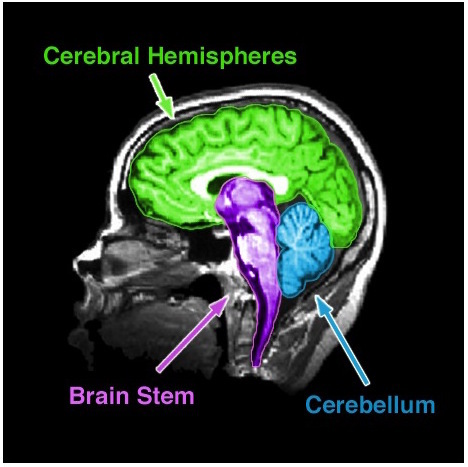
Scientific Definition and Medical Understanding of Brain Death
Brain death represents the irreversible cessation of all brain functions, including the brainstem, which regulates vital autonomic processes. Diagnosing brain death requires a standardized, evidence-based approach combining clinical assessments, neurophysiological tests, and confirmatory imaging. The absence of brainstem reflexes, apnea, and irreversible loss of cortical activity form the cornerstone of medical criteria, while ethical and legal frameworks vary across jurisdictions to address cultural, religious, and philosophical complexities.The neurological criteria for brain death are grounded in the neurological determination of death (NDD), which integrates clinical examination, ancillary tests, and exclusion of reversible conditions. These criteria were formalized to distinguish brain death from coma, vegetative states, or severe brain injury with potential for recovery. The process ensures that patients with irreversible brain injury are not subjected to futile medical interventions while adhering to ethical principles of patient autonomy and beneficence.
Neurological Criteria for Diagnosing Brain Death
The diagnosis of brain death relies on the absence of brainstem reflexes, absence of respiratory drive, and confirmatory tests to rule out reversible conditions. The brainstem controls critical reflexes, including pupillary light response, corneal reflex, gag reflex, and vestibulo-ocular reflex (cold calorics). The apnea test, which evaluates the patient’s ability to breathe spontaneously, is the most critical clinical component. If a patient fails to initiate breathing after hypercapnia (elevated CO₂ levels), brainstem dysfunction is confirmed.Step-by-step clinical assessment:
1. Preconditions: Confirmation of coma (unresponsiveness to stimuli), exclusion of sedative or hypothermic effects, and identification of a catastrophic brain injury (e.g., traumatic brain injury, stroke, or anoxia).
2. Brainstem reflex testing:
Electroencephalogram (EEG) and Cerebral Angiography in Confirming Brain Death
Neurophysiological tests such as EEG and cerebral angiography provide objective evidence of irreversible brain dysfunction when clinical criteria are met. An EEG measures electrical activity in the brain; in brain death, it shows electrocerebral inactivity (ECI), defined as a flat line with no discernible waveforms for at least 30 minutes. This indicates the absence of cortical and subcortical activity, consistent with brain death.Cerebral angiography, a contrast imaging technique, demonstrates the absence of blood flow to the brain. Normal findings would show contrast filling cerebral arteries, while brain death results in no perfusion (absence of contrast in the intracranial arteries), confirming circulatory arrest. This test is particularly useful in cases where clinical criteria are ambiguous or when other conditions (e.g., severe metabolic disturbances) may mimic brain death.
Comparison of EEG and angiography in brain death confirmation:
Comparison of Brain Death Criteria Across Jurisdictions
Legal and medical standards for brain death vary globally, reflecting differences in cultural, religious, and legal interpretations. Below is a comparative table outlining the criteria in Turkey, the U.S. Uniform Determination of Death Act (UDDA), and WHO guidelines, with key differences in reflex testing, timeframes, and confirmatory requirements.| Criteria | Turkey (Legal Standards, 2008) | U.S. (UDDA, 1981, Updated 2007) | WHO Guidelines (2010) |
|---|---|---|---|
| Clinical Examination | Absence of brainstem reflexes (pupillary, corneal, gag, vestibulo-ocular) + apnea test. | Absence of brainstem reflexes + apnea test (with preconditions: coma, exclusion of reversible causes). | Absence of brainstem reflexes + apnea test (minimum standards; additional tests encouraged). |
| Timeframe for Testing | Must be repeated after 6 hours if initial test is inconclusive (for traumatic brain injury). | No strict timeframe, but tests should be repeated if conditions (e.g., sedatives) may affect results. | No fixed timeframe; repeat testing if clinical uncertainty persists. |
| Confirmatory Tests | EEG (flat for 30 min) or cerebral angiography (no perfusion). | EEG (flat for 6–12 hours) or cerebral angiography or nuclear medicine studies (e.g., Tc-99m HMPAO SPECT). | EEG, cerebral angiography, or other imaging (e.g., CT/MRI showing no perfusion). |
| Apnea Test Protocol | PaCO₂ ≥ 60 mmHg or ≥20 mmHg increase from baseline; oxygen saturation ≥85%. | PaCO₂ ≥ 60 mmHg or ≥20 mmHg increase; oxygen saturation ≥85% (adjustments for chronic CO₂ retainers). | PaCO₂ ≥ 60 mmHg or ≥20 mmHg increase; oxygen saturation ≥85% (flexible for clinical judgment). |
| Religious/Legal Exceptions | Islamic principles may require additional consultations (e.g., religious scholars) in some cases. | No legal exceptions, but religious objections may lead to alternative interpretations (e.g., cardiac death). | Encourages cultural/religious sensitivity but does not mandate specific exceptions. |
| Pediatric Considerations | Not applicable (Turkish law does not specify pediatric brain death criteria). | Requires two examinations 24 hours apart (or one with confirmatory tests) for infants/children. | Two examinations 24 hours apart (or one with confirmatory tests) for infants/children. |
Ethical and Religious Perspectives on Brain Death
The declaration of brain death intersects with ethical, legal, and religious debates, particularly regarding the timing of death, organ donation, and the soul-body dualism in certain faiths. Below are key ethical and religious viewpoints:Ethical Debates:Religious Perspectives:
Personhood and Death: Some philosophers argue that brain death does not equate to the cessation of personhood, as higher-order consciousness (e.g., self-awareness) may persist in a vegetative state. Organ Donation vs. Autonomy: The dead donor rule requires that organs are procured only after death is confirmed, raising questions about whether brain death truly aligns with the "end of life." Legal Ambiguities: Jurisdictions differ on whether brain death is sufficient for death certification, with some (e.g., Japan) requiring cardiac death as the sole criterion.
Legal Ambiguities:
Physiological Changes Following Brain Death: Organ System Deterioration and Post-Mortem Progression
After the irreversible cessation of brain function, the body undergoes a predictable cascade of physiological failures driven by the loss of central nervous system regulation. Unlike natural death, where deterioration may be gradual and influenced by underlying disease, brain death triggers an acute, systemic collapse within hours due to the abrupt withdrawal of autonomic and endocrine control. The absence of neural input disrupts critical homeostatic mechanisms, leading to hypotension, metabolic derangements, and eventual multiorgan failure. Understanding this sequential process is essential for clinical management, organ donation protocols, and palliative care planning.The progression of organ failure follows a temporally defined trajectory, with distinct phases observable within the first 72 hours post-diagnosis. Electrolyte imbalances, hormonal axis collapse, and vascular instability accelerate cellular hypoxia, culminating in post-mortem changes that differ markedly from those seen in terminal illness. Below, the sequential deterioration of organ systems is outlined, followed by a comparative analysis of hormonal dysfunction and musculoskeletal degradation.
Sequential Organ Failure and Metabolic Collapse in Brain-Dead Patients
The loss of brainstem function disrupts the autonomic nervous system’s regulation of vascular tone, respiration, and fluid balance, initiating a cascade of systemic failures. The timeline below outlines the key physiological events occurring within 24–72 hours post-brain death diagnosis, emphasizing the interplay between hemodynamic collapse, renal dysfunction, and metabolic disturbances.| Timeframe | System Affected | Key Physiological Event |
|---|---|---|
| 0–6 hours | Cardiovascular |
|
| 6–12 hours | Renal |
|
| 12–24 hours | Metabolic |
|
| 24–48 hours | Gastrointestinal |
|
| 48–72 hours | Multiorgan |
|
Post-Mortem Changes in Brain-Dead Patients: Distinctive Features and Pathophysiology
The external and internal changes observed in brain-dead patients differ from those in natural death due to the preserved circulatory and metabolic activity maintained by mechanical ventilation and supportive care. Below are the key post-mortem phenomena, described visually and mechanistically:### 1. Livor Mortis Progression and Skin Mottling
### 2. Corneal Clouding and Ocular Changes
### 3. Muscular and Articular Rigidity

Legal and Ethical Frameworks for Brain Death in Turkey
Turkey’s approach to brain death integrates medical, legal, and cultural dimensions, governed primarily by Law No. 676 on Transplantation (2007), which mandates strict protocols for certification, organ donation, and ethical oversight. The framework reflects a balance between scientific rigor and religious sensitivities, while also addressing systemic challenges such as misdiagnosis and family resistance. Below, the legal requirements, procedural hurdles, cultural influences, and comparative regional perspectives are examined to elucidate the complexities of brain death management in Turkey.Legal Requirements for Brain Death Certification and Organ Donation
Turkey’s Law No. 676 establishes a two-tiered verification system for brain death, requiring both medical and judicial validation to ensure ethical compliance and reduce controversies. Key provisions include:- Mandatory Second-Opinion Rule:
Brain death must be confirmed by two independent neurologists or neurosurgeons, with at least one holding a specialization in critical care or neurology. The second opinion must occur within 12 hours of the initial assessment, unless clinical deterioration necessitates earlier intervention.
- Court Approval for Organ Donation:
Even after medical confirmation, family consent is legally insufficient for organ retrieval unless the deceased was a registered organ donor. For non-registered cases, a judicial approval process is triggered, requiring:
- Time Constraints for Organ Retrieval:
The law permits up to 12 hours from brain death declaration to organ procurement, extendable to 24 hours for complex cases (e.g., multi-organ donation) with justification. Delays beyond this period may invalidate the donation due to organ viability risks.
Article 5 of Law No. 676:
"Brain death shall be declared in accordance with the criteria established by the Ministry of Health, and organ donation shall only proceed after obtaining judicial approval unless the deceased was a registered donor."
Case Study Analysis: Brain-Dead Patient in the Turkish Healthcare System
The following hypothetical flowchart illustrates the procedural and ethical challenges faced by a brain-dead patient’s family navigating Turkey’s system, highlighting hospital protocols, consent hurdles, and allocation delays:-
Initial Admission and Diagnosis:
A 45-year-old male suffers traumatic brain injury (TBI) from a car accident. After 72 hours of coma with absent brainstem reflexes, the treating neurologist initiates brain death tests (apnea test + EEG confirmation). The patient is transferred to the ICU for monitoring. -
Second-Opinion Verification:
A second neurologist (from an external hospital) is consulted within 10 hours. Both confirm brain death, but the family, initially skeptical, requests a third opinion from a private specialist, delaying the process by 18 hours. -
Family Consent and Religious Consultation:
The patient’s family, Sunni Muslim, seeks an imam’s declaration before accepting brain death. The imam, citing traditional Islamic views on death, advises against organ donation, citing concerns over soul preservation. The family withholds consent, triggering judicial review. -
Judicial Approval Process:
The hospital submits medical records to the local court, which schedules a hearing. Meanwhile, the patient’s kidneys and liver remain viable for 18 hours post-declaration. The court approves donation after 36 hours, citing public interest but noting the family’s religious objections in the records. -
Organ Allocation Delays:
Due to logistical coordination between hospitals, the liver is allocated to a regional recipient, but the kidneys are diverted to an international donor list (via Turkish Organ Donation and Transplantation Center, TOTÖM) due to local shortages. The family is informed of the allocation post-procedure, leading to post-traumatic distress. -
Post-Mortem Ethical Review:
The case is flagged for TOTÖM’s ethics committee due to prolonged family resistance. The committee recommends mandatory religious counseling for families in future cases to reduce delays.
Cultural and Religious Influences on Brain Death Acceptance
Turkey’s diverse religious landscape, particularly the Sunni-Alevi divide, significantly impacts perceptions of brain death and organ donation. While secular medical criteria dominate legal frameworks, interpretations of Islamic jurisprudence often create tensions:- Sunni Muslim Perspectives:
- Alevi-Bektashi Perspectives:
- Conflicts Between Medical and Religious Authority:
Comparative Analysis: Turkey’s Brain Death Laws vs. Saudi Arabia and Iran
The following table contrasts Turkey’s legal framework with Saudi Arabia’s (predominantly Wahhabi Islamic influence) and Iran’s (Shia Islamic governance), focusing on religious oversight, time constraints, and public awareness:| Parameter | Turkey (Law No. 676, 2007) | Saudi Arabia (Ministry of Health, 2010) | Iran (Ministry of Health, 2005) |
|---|---|---|---|
| Religious Oversight |
|
|
|
Leave a Comment
Comments are moderated before appearing. The data you submit is processed according to the Privacy Policy of Ns2.