Japan Vs Nepal A Comparative Analysis Of Divergent Nations
Table of Contents
- Geographical and Environmental Contrasts Between Japan and Nepal
- Comparative Geographical and Environmental Features
- Impact of Terrain on Urban Development and Agriculture
- Seasonal Variations and Cultural-Economic Consequences
- Cultural and Historical Narratives of Japan and Nepal
- Key Historical Events: A Comparative Timeline
- Traditional Attire: Kimono and Daura Suruwal
- Economic Systems and Global Integration: Comparative Analysis of Japan and Nepal
- Post-War Economic Models: Keiretsu Networks in Japan vs. Agrarian Remittances in Nepal
- Major Industries Driving GDP and Trade Policy Impacts
- Social Structures and Quality of Life: Urban-Rural Divides, Family Systems, and Youth Dynamics in Japan and Nepal
- Urban vs. Rural Lifestyles: Daily Routines, Housing, and Service Access in Tokyo/Osaka and Kathmandu/Pokhara
- Family Units and Inheritance: Three-Generation Households in Japan vs. Joint Families in Nepal
- Healthcare Disparities: Life Expectancy, Maternal Health, and Disease Burden in Japan and Nepal
Japan and Nepal represent two distinct yet equally compelling case studies in geography culture and economic evolution each shaped by their unique landscapes and historical trajectories. While Japan thrives as a technological and industrial powerhouse its mountainous terrain and disciplined societal structures contrast sharply with Nepal’s Himalayan heritage and agrarian economy. This exploration delves into the environmental challenges that define urban planning in both nations the cultural narratives embedded in their traditions and the economic strategies that position them within global trade networks. From the seasonal rhythms dictating daily life to the religious festivals uniting communities the contrasts between these countries reveal how geography and history forge national identity.
The examination extends to economic systems where Japan’s post-war industrial model clashes with Nepal’s reliance on remittances and hydropower while both nations leverage cultural exports to amplify their global influence. Social structures further illuminate disparities in urban living quality of life and youth engagement reflecting broader trends in modernization and tradition. By analyzing these dimensions this study offers a nuanced perspective on how divergent yet resilient societies navigate progress and preservation.
Geographical and Environmental Contrasts Between Japan and Nepal
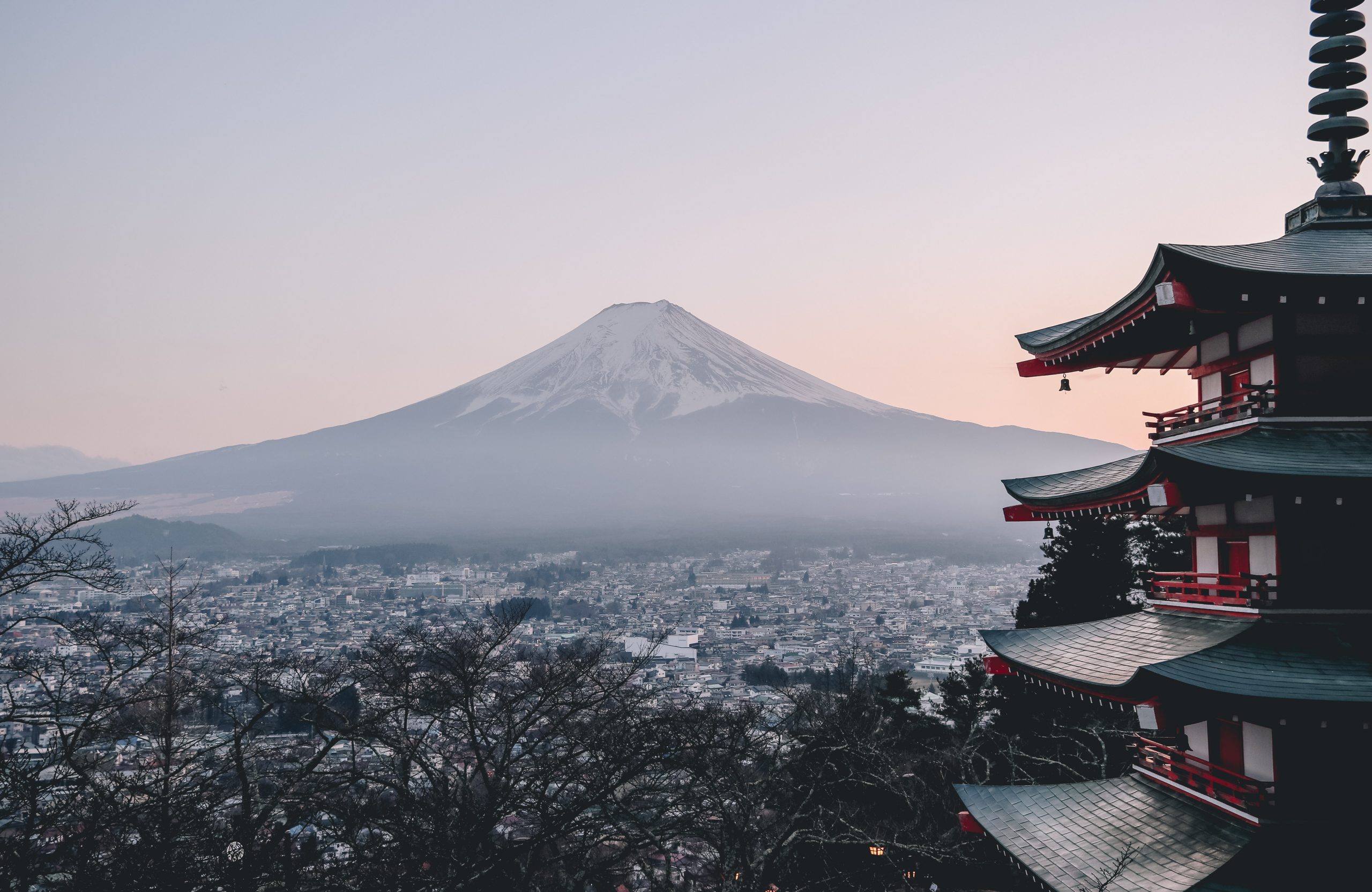
Japan and Nepal present stark contrasts in their geographical and environmental characteristics, shaped by their distinct tectonic settings, climate zones, and natural features. While Japan’s terrain is dominated by rugged mountain ranges, volcanic arcs, and narrow coastal plains, Nepal’s landscape is defined by the towering Himalayas, deep river valleys, and high-altitude plateaus. These differences profoundly influence urban development, agricultural practices, and tourism strategies, as well as seasonal variations that dictate cultural traditions and economic activities. Below, a comparative analysis explores how these contrasts manifest in infrastructure adaptation, seasonal impacts, and tectonic preparedness.Comparative Geographical and Environmental Features
The following table highlights key geographical and environmental differences between Japan and Nepal, emphasizing terrain, climate, and notable natural features that define their landscapes.| Country | Terrain | Climate Zones | Notable Natural Features |
|---|---|---|---|
| Japan |
|
|
|
| Nepal |
|
|
|
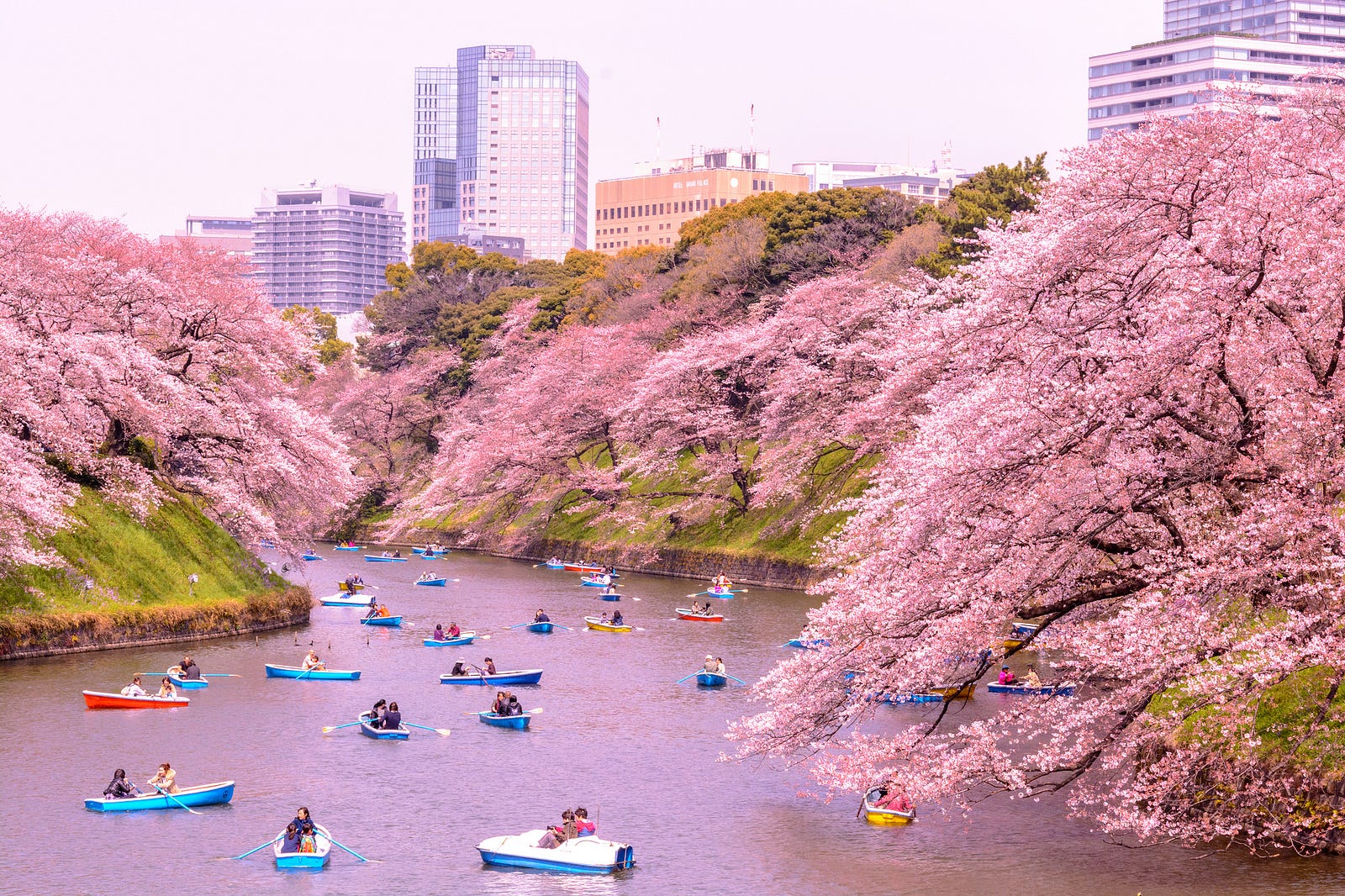
Tourism in Japan leverages its seasonal diversity, from cherry blossom viewing (hanami) in spring to ski resorts in Hokkaidō during winter. Nepal’s tourism is heavily dependent on trekking routes (e.g., Everest Base Camp, Annapurna Circuit) and cultural festivals (e.g., Dashain, Tihar), though accessibility is constrained by monsoon-induced landslides and avalanche risks in the Himalayas.
Impact of Terrain on Urban Development and Agriculture
Japan’s compact and densely populated urban centers (e.g., Tokyo, Osaka) are concentrated in coastal plains, where land reclamation projects (e.g., Tokyo Bay’s artificial islands) have expanded habitable space. The government’s Mountain Village Revitalization Plan aims to repopulate declining rural mountainous areas through subsidies and eco-tourism initiatives. In agriculture, paddy rice cultivation dominates the plains, while highland regions produce apples (e.g., Aomori), grapes (e.g., Yamanashi), and green tea (e.g., Shizuoka).Nepal’s urban development is fragmented due to its topographical barriers. Kathmandu Valley, encircled by hills, suffers from urban sprawl and traffic congestion, while the Terai region experiences rapid population growth and flooding risks during monsoons. Agriculture in Nepal is highly altitude-dependent: the Terai grows rice and sugarcane, mid-hills produce maize and wheat, and high-altitude areas focus on livestock grazing and barley. The Community Forestry Program has been instrumental in managing Himalayan deforestation, though climate change exacerbates soil erosion and landslides.
Infrastructure adaptations in both countries reflect their geographical constraints:
Seasonal Variations and Cultural-Economic Consequences
Japan’s seasonal cycle is deeply embedded in its culture and economy, with each season offering distinct experiences and challenges.-
Spring (March–May):
- Cherry blossoms (sakura) attract millions for hanami festivals, boosting tourism and hospitality sectors.
- Agricultural activities include rice planting and tea harvesting in Uji.
- Economic impact: Tourism revenue peaks (e.g., Kyoto’s annual 5 million visitors during sakura season).
-
Summer (June–August):
- Typhoon season (July–September) causes flooding and infrastructure damage (e.g., 2019 Typhoon Hagibis, ¥1.4 trillion in losses).
- Fireworks festivals (hanabi) and summer festivals (matsuri) drive local economies.
- Ancient Period (Pre-3rd Century CE): Mythological origins tied to the Kojiki (712 CE) and Nihon Shoki (720 CE), documenting the legendary Emperor Jimmu. The Yayoi culture (300 BCE–300 CE) introduced rice agriculture and early state formations in the Yamato region.
- Asuka and Nara Periods (538–794 CE): Introduction of Buddhism (538 CE) from Korea/China, leading to the establishment of the Taika Reforms (645 CE) to centralize power under the imperial court. The Nara Period saw the first permanent capital at Heijō-kyō (modern Nara), with temples like Tōdai-ji symbolizing Buddhist influence.
- Heian Period (794–1185): Relocation of the capital to Heian-kyō (Kyoto) marked the zenith of imperial court culture, exemplified by works like The Tale of Genji (early 11th century). The rise of the fujiwara regents weakened direct imperial authority, setting the stage for samurai dominance.
- Kamakura and Muromachi Periods (1185–1573): The Kamakura shogunate (1192–1333) established military rule under Minamoto no Yoritomo, followed by the Ashikaga shogunate (1336–1573) and the cultural flourishing of the Muromachi Period, including Zen Buddhism and tea ceremony traditions.
- Edo Period (1603–1868): Tokugawa Ieyasu unified Japan under the Edo shogunate, enforcing isolationist policies (sakoku) that restricted foreign contact. This era saw the rise of urban merchant classes, kabuki theater, and ukiyo-e woodblock prints.
- Meiji Restoration (1868–1912): The overthrow of the shogunate restored imperial rule, launching rapid modernization and Westernization. Japan adopted a constitutional monarchy (1889), industrialized, and emerged as an imperial power after the Sino-Japanese War (1894–95) and Russo-Japanese War (1904–05).
- World War II and Postwar Era (1931–1952): Japan’s expansionist policies led to the Pacific War (1941–45), culminating in atomic bombings of Hiroshima and Nagasaki (1945). The San Francisco Peace Treaty (1951) and U.S. occupation reshaped Japan into a pacifist, economic powerhouse.
- Modern Japan (1980s–Present): Economic bubbles of the 1980s, the Lost Decade (1990s), and recent challenges like the 2011 Tōhoku earthquake and Fukushima disaster highlight Japan’s resilience. Constitutional revisions (e.g., 2015 Security Laws) reflect debates over military expansion.
- Ancient Kingdoms (Pre-12th Century): Early states like the Kirata and Licchavi dynasties (400 BCE–750 CE) flourished in the Kathmandu Valley, with Buddhist and Hindu influences. The Licchavi Period saw the construction of iconic stupas like Boudhanath and Swayambhunath.
- Malla Dynasty (12th–18th Century): The Malla kings divided Nepal into city-states (e.g., Kathmandu, Patan, Bhaktapur), fostering Newar culture, art, and architecture. The Lalitpur and Kathmandu Durbar Squares were declared UNESCO World Heritage Sites for their Malla-era palaces.
- Unification and Rise of the Shah Dynasty (1768–1846): Prithvi Narayan Shah conquered neighboring kingdoms, establishing the Gorkha Kingdom in 1768. The Gurkha militarism expanded into the Himalayas and South Asia, with conflicts like the Anglo-Nepalese War (1814–16) solidifying Nepal’s borders.
- Rana Oligarchy (1846–1951): The Rana Prime Ministers seized power from the Shah kings, ruling as autocrats while maintaining Nepal’s independence. This era saw infrastructure development but also suppression of democratic movements.
- Democratic Revolution and Modern Nepal (1951–Present): The 1951 Democratic Revolution restored the Shah monarchy, followed by the 1990 People’s Movement that ended the Panchayat system. The 2006 Democratic Movement abolished the monarchy, establishing a federal republic in 2008. Ongoing challenges include Maoist insurgency (1996–2006) and ethnic federalism reforms.
- Industrial Coordination: Japan’s keiretsu networks reduced transaction costs and encouraged R&D investment, with 80% of large firms participating in cross-shareholding alliances. Nepal lacks such institutionalized collaboration, with SMEs operating in isolation due to limited access to credit and infrastructure.
- Export Orientation: Japan’s manufacturing exports (e.g., automobiles, electronics) account for 60% of merchandise trade, while Nepal’s exports are concentrated in low-value goods (textiles, carpets) and hydropower (10% of electricity exports to India).
- Government Intervention: Japan’s Ministry of Economy, Trade and Industry (METI) actively shapes industrial policy, whereas Nepal’s Agriculture Development Bank and Investment Board face constraints from bureaucratic inefficiencies and political instability.
-
Automotive and Transportation Equipment
- GDP Contribution: 12.5% (2023); Export Share: 20% of total exports.
- Key Players: Toyota (world’s largest automaker), Honda, Nissan.
- Trade Policy Impact: The TPP (now CPTPP) eliminated tariffs on automotive parts, boosting exports to Australia, Vietnam, and Canada. Japan also benefits from free trade agreements (FTAs) with the EU and ASEAN, securing market access for electric vehicles (EVs) and hydrogen fuel cells.
- Automation Trend: 42% of Japanese factories use AI-driven robotics (2023), with Toyota’s "Toyota Production System" setting global benchmarks for efficiency.
-
Electronics and Semiconductors
- GDP Contribution: 8.9%; Export Share: 15% (including components).
- Key Players: Sony, Panasonic, Renesas Electronics (semiconductors).
- Trade Policy Impact: U.S.-Japan Semiconductor Supply Chain Agreement (2022) ensures stable access to rare earth minerals and chip manufacturing support. Japan’s FTA with the EU also facilitates exports of high-tech medical devices.
- Automation Trend: 75% of semiconductor plants in Japan are automated, with robot density at 354 robots per 10,000 workers (highest globally).
-
Machinery and Robotics
- GDP Contribution: 7.3%; Export Share: 18%.
- Key Players: Fanuc, Kawasaki Heavy Industries, Yaskawa.
- Trade Policy Impact: TPP/CPTPP removed tariffs on industrial robots, making Japan the world’s largest exporter of industrial robots (31% market share, 2023). The Japan-EU Economic Partnership Agreement (EPA) further expands access to European manufacturing sectors.
- Automation Trend: Collaborative robots (cobots) are adopted in 68% of Japanese SMEs, driven by labor shortages and aging workforce demographics.
-
Agriculture and Livestock
- GDP Contribution: 26.7%; Export Share: 5% (limited to jute, tea, and spices).
- Key Challenges: Low productivity (0.8 tons/hectare for rice vs. 4.5 tons in Japan), post-harvest losses (25-30%), and climate-induced yield volatility.
- Trade Policy Impact: SAARC Preferential Trading Arrangement (SAPTA) offers limited tariff reductions, but Nepal’s non-tariff barriers (NTBs) and poor infrastructure hinder regional trade. India is the dominant trade partner (65% of exports), but U.S. and EU markets remain inaccessible for high-value agricultural products.
- Remittance Dependency: $10.4 billion (2023) in remittances exceed FDI inflows ($650 million), masking structural weaknesses in agriculture.
-
Textiles and Garments
- GDP Contribution: 5.2%; Export Share: 12% (mostly to the U.S. and EU).
- Key Players: Nepal Garment Manufacturers and Exporters Association (NGMEA); 1,200+ factories employing 400,000 workers (70% female).
- Trade Policy Impact: Generalized System of Preferences (GSP+) under the EU allows duty-free access for leather and textile products, but U.S. tariffs under the African Growth and Opportunity Act (AGOA) are set to expire in 2025, threatening $300 million in annual exports. Nepal lacks FTAs with major textile hubs like China or Bangladesh.
- Labor Costs: $0.50–$1.50/hour (vs. $3–$5 in Bangladesh), but power shortages (12-hour cuts daily) and poor infrastructure increase production costs by 20-30%.
-
Hydrop
Social Structures and Quality of Life: Urban-Rural Divides, Family Systems, and Youth Dynamics in Japan and Nepal
Japan and Nepal exhibit stark contrasts in social structures, where urbanization, family dynamics, and youth engagement reflect divergent developmental trajectories. In Japan, rapid urbanization has concentrated populations in megacities like Tokyo and Osaka, fostering hyper-modern lifestyles alongside deep-rooted traditions. Conversely, Nepal’s urban centers such as Kathmandu and Pokhara serve as transitional hubs between rural agrarian life and emerging digital economies. These disparities extend to healthcare access, family governance, and youth participation in global and local narratives, revealing how structural inequalities shape quality of life across both nations.
Urban vs. Rural Lifestyles: Daily Routines, Housing, and Service Access in Tokyo/Osaka and Kathmandu/Pokhara
Urbanization in Japan and Nepal has redefined daily life, with Tokyo and Osaka embodying high-density efficiency, while Kathmandu and Pokhara balance tradition with rapid modernization. Housing typologies, commuting patterns, and access to infrastructure underscore these differences, influencing social mobility and well-being.Tokyo/Osaka: Hyper-Urbanization and Technological Integration
Tokyo and Osaka represent Japan’s post-industrial urban landscapes, where compact living spaces and advanced public transport systems dominate. Daily routines in these cities are characterized by:
-
Housing Types and Space Utilization
Urban apartments (manshon or danchi) prioritize efficiency, with average sizes ranging from 30–50 m² for single households. Multi-story buildings often lack private gardens, compensating with communal green spaces (koen) or rooftop gardens. Traditional machiya (narrow townhouses) persist in historic districts like Kyoto’s Gion but are rare in modern Tokyo.- Commuting and Work Culture
Salarymen rely on punctuality, with average one-way commutes exceeding 1 hour via trains (shinkansen for long distances, local chikatetsu for intra-city). Remote work (telework) has grown post-pandemic, though office culture remains dominant. Evening izakaya (pubs) and sentō (public baths) serve as social decompression zones.- Service Access and Infrastructure
24/7 convenience stores (konbini), automated vending machines, and cashless payments (Suica/Pasmo cards) ensure seamless access to goods and services. Public healthcare is universally accessible, with clinics (klinikku) offering same-day appointments. Waste segregation (burnable/recyclable/hazardous) is strictly enforced, with fines for non-compliance.- Leisure and Social Interaction
Urbanites engage in structured leisure, such as nomikai (drinking parties), onsen (hot spring) trips, and seasonal festivals (matsuri). Parks like Tokyo’s Ueno or Osaka’s Namba serve as informal gathering spaces, while otaku culture thrives in Akihabara’s anime shops and arcades. -
Housing Types and Informality
Housing ranges from pukka (permanent) brick structures in affluent areas like Thapathali to semi-permanent tin sheds in marginalized neighborhoods. Land scarcity drives vertical expansion, with buildings often lacking permits. Rural-urban migrants (madhesi or janajati communities) occupy densely packed chowks (squares) or informal settlements.-
Commuting and Mobility Challenges
Public transport relies on crowded microbuses (tempo) and shared taxis, with no dedicated metro systems. Traffic congestion in Kathmandu is among the worst globally, averaging 30–50 km/h. Bicycle-sharing programs and walkability remain limited outside tourist zones like Pokhara’s lakeside. -
Service Access and Gaps
Electricity outages and water shortages are common, with private tankers supplementing municipal supplies. Healthcare is fragmented: urban clinics offer basic services, while rural areas depend on FHS (Female Community Health Volunteers). Internet access is expanding but uneven, with Pokhara’s digital cafés contrasting Kathmandu’s cyber hubs. -
Leisure and Community Bonds
Social life revolves around dhaba (roadside eateries), local temple festivals (jaatras), and guthi (community-managed spaces). Youth in Pokhara engage in adventure tourism (paragliding, trekking), while Kathmandu’s nightlife centers on bar districts like Thamel. Rural-urban remittances sustain families, with phone-based social networks bridging gaps. -
Legal and Cultural Shifts in Inheritance
Japan’s Seito (inheritance) laws prioritize male heirs (soke succession), though reforms in 2019 allowed equal division among siblings. Urban youth delay marriage due to financial constraints ("herbivore men" phenomenon), reducing household sizes. Rural areas retain san-kaku katei (three-generation households), where elderly parents live with married children.-
Gender Roles and Labor Division
Despite legal gender equality, women bear disproportionate domestic burdens. The ikumen (involved father) movement promotes shared parenting, but workplace discrimination persists. Elderly care (kaigo) is a growing crisis, with 30% of women aged 65+ living alone (2021 data). -
Cultural Sayings on Family
"Kazoku wa tsunagu mono" (Family is what binds us) — Emphasizes emotional ties over legal obligations.
"San-nen no kōryū" (Three-year harmony) — Refers to the idealized post-marriage period before children arrive.
Nepal: Patrilineal Joint Families and Rural Solidarity -
Inheritance and Land Rights
Nepali law (Muluki Ain) favors male heirs in land inheritance, though women’s rights groups advocate for reforms. Rural families pool resources for weddings ("bhatta" system), where grooms’ families bear costs, reinforcing patrilineal ties. Urban middle-class families are adopting nuclear models, mirroring global trends.-
Gender Roles and Household Labor
Women manage households but lack legal property rights in many regions. Dai (elder brother) holds authority in joint families, while daughters (bahini) may inherit jewelry but not land. Child marriage persists in rural Terai, with 20% of girls married by 18 (UNICEF, 2020). -
Cultural Proverbs on Family
"Ghar ko dhan, bahini ko man" (A house’s wealth is in its sister-in-law) — Highlights the sister-in-law’s role as the family’s backbone.
"Dukhi manchheko chori" (Stealing when hungry) — Justifies resource-sharing among kin during scarcity.

Cultural and Historical Narratives of Japan and Nepal
The cultural and historical trajectories of Japan and Nepal reflect distinct civilizational trajectories shaped by geography, religious syncretism, and external influences. While Japan’s narrative is marked by imperial continuity, feudal fragmentation, and rapid modernization, Nepal’s history revolves around Himalayan kingdoms, Hindu-Buddhist synthesis, and resistance to colonial encroachment. Both societies preserve their heritage through attire, festivals, and folklore, which continue to influence contemporary identity, tourism, and creative expressions.Historical milestones in both nations reveal pivotal shifts in governance, religion, and societal structures, while traditional garments and religious practices serve as living archives of their shared yet divergent cultural legacies.
Key Historical Events: A Comparative Timeline
The historical evolution of Japan and Nepal demonstrates how external pressures and internal dynamics have redefined their political and cultural landscapes. Japan’s timeline spans from ancient imperial courts to Meiji Restoration and post-war reconstruction, while Nepal’s narrative highlights the rise of the Shah dynasty, Gurkha militarism, and democratic transitions.Japan’s Historical Timeline
Japan’s history is characterized by periods of centralized rule, samurai governance, and industrial transformation, with colonialism playing a lesser role compared to Nepal.
Nepal’s history is defined by its Himalayan isolation, the unification under the Shah dynasty, and its unique position as the only South Asian nation never colonized by Britain.
Traditional Attire: Kimono and Daura Suruwal
Traditional clothing in Japan and Nepal transcends mere attire, embodying social hierarchy, seasonal adaptations, and cultural continuity. The kimono and daura suruwal (or dhotis) serve as visual narratives of craftsmanship, regional identity, and ceremonial significance, with modern interpretations reflecting globalization and urbanization.Origins and Materials
The kimono’s origins trace to the Heian Period, evolving from Chinese robes into a wrapped garment symbolizing status. Its name (ki "wear," mono "thing") reflects its functional design. Modern kimono use silk, linen, or synthetic fibers, with obijō (sash) and obi (broader belt) distinguishing formality.
In contrast, the daura suruwal (Nepali) or dhotis (Indian-influenced) consists of a loose kurta (shirt), dhoti (wrap-around skirt), and daura (headgear). Materials range
Economic Systems and Global Integration: Comparative Analysis of Japan and Nepal
Japan’s post-war economic transformation established a model of high-tech industrialization, export-led growth, and strategic alliances, while Nepal’s economy remains deeply rooted in agrarian activities and remittance-dependent livelihoods. These divergent trajectories reflect structural differences in infrastructure, trade policies, and workforce dynamics, shaping their integration into global markets. Japan leverages advanced manufacturing, automation, and regional trade agreements to dominate high-value sectors, whereas Nepal relies on labor-intensive industries, hydropower exports, and diaspora-driven financial flows to sustain its economy. Trade policies such as the Trans-Pacific Partnership (TPP) and the South Asian Association for Regional Cooperation (SAARC) further accentuate these disparities, influencing export diversification and market access.Post-War Economic Models: Keiretsu Networks in Japan vs. Agrarian Remittances in Nepal
Japan’s economic recovery after World War II was underpinned by the keiretsu system, a network of vertically integrated corporations, banks, and suppliers that fostered long-term collaboration and risk-sharing. This model, exemplified by conglomerates like Toyota and Mitsubishi, enabled Japan to achieve rapid industrialization through just-in-time manufacturing, technological innovation, and export competitiveness. In contrast, Nepal’s economy is dominated by subsistence agriculture, accounting for 26.7% of GDP (2022) and employing 66% of the labor force, with staple crops like rice, maize, and wheat vulnerable to climate variability. Remittances from Nepali migrant workers—$10.4 billion in 2023 (12.3% of GDP)—serve as a critical stabilizer, though they also create dependency on informal labor markets abroad, particularly in Gulf Cooperation Council (GCC) countries and Malaysia."The keiretsu system was not just a business model but a social contract that aligned corporate and national interests, whereas Nepal’s economic ecosystem remains fragmented, with remittances acting as a stopgap rather than a catalyst for structural transformation."
— World Bank, 2021 Economic Report on Nepal
Major Industries Driving GDP and Trade Policy Impacts
Japan’s economy is propelled by three high-value sectors, each benefiting from state-backed innovation and global supply chain dominance, while Nepal’s GDP growth is constrained by resource limitations and trade barriers.Kathmandu and Pokhara reflect Nepal’s duality—ancient heritage coexisting with unplanned urban sprawl. Daily life here is shaped by:
Family Units and Inheritance: Three-Generation Households in Japan vs. Joint Families in Nepal
Family structures in Japan and Nepal are governed by cultural norms, legal frameworks, and economic realities, with inheritance and gender roles playing pivotal roles. Japan’s nuclearization contrasts Nepal’s patrilineal joint families, each shaped by historical agrarian and industrial transitions.Japan: The Erosion of Three-Generation Households
Traditionally, Japan’s ie (household) system emphasized multi-generational co-residence, but urbanization and economic pressures have shifted norms toward nuclear families. Key dynamics include:
Nepal’s tharu and bahun/chhetri communities uphold joint family systems, where extended kin share resources and labor. Urbanization is gradually dissolving these structures, but rural areas remain traditional.
Healthcare Disparities: Life Expectancy, Maternal Health, and Disease Burden in Japan and Nepal
Healthcare systems in Japan and Nepal reflect their economic and infrastructural capacities, with Japan’s universal coverage contrasting Nepal’s community-based models. Data highlights persistent gaps in maternal mortality, infectious diseases, and elderly care, despite government initiatives.Comparative Healthcare Indicators (2022–2023 Data)
| Indicator | JapanJapan and Nepal embody the dynamic interplay between geography culture and economic ambition each offering distinct lessons on adaptation and innovation. Japan’s mastery of infrastructure resilience and technological leadership stands in stark contrast to Nepal’s struggle with terrain-related vulnerabilities yet both nations demonstrate remarkable ingenuity in harnessing their natural and cultural assets. The seasonal challenges from typhoons in Japan to monsoons in Nepal underscore the importance of preparedness while their religious festivals and folklore continue to shape national pride and tourism. Economically Japan’s diversified industries and Nepal’s reliance on remittances highlight varying pathways to development yet both leverage soft power through cuisine media and trekking to foster global connections.
Ultimately this comparative analysis reveals that despite their differences Japan and Nepal share a common thread of resilience rooted in their ability to balance tradition with progress. Their stories serve as a testament to how nations with vastly different starting points can carve their own paths in the global arena while preserving their unique identities. The insights drawn here not only illuminate the contrasts between these two countries but also offer broader reflections on the forces that define modern societies. |
|---|
Leave a Comment
Comments are moderated before appearing. The data you submit is processed according to the Privacy Policy of Ns2.