| Organic Abstraction |
- Biomorphic shapes (e.g., fluid blobs, fractal spirals).
- Earthy or bioluminescent color schemes (e.g., deep greens, electric blues).
- Inspired by Psychedelic Art and *
Psychological and Symbolic Foundations in Profile Picture Design
Profile pictures (PFPs) serve as visual extensions of personal identity, leveraging psychological and symbolic elements to communicate traits, emotions, and affiliations without explicit text. These elements—ranging from abstract shapes to color palettes—are subconsciously interpreted by viewers, shaping first impressions and social perceptions. Platform-specific adaptations further refine these interpretations, aligning with the cultural and functional norms of each digital space. Understanding these dynamics allows designers to craft PFPs that resonate intentionally with target audiences while avoiding misinterpretations that may undermine authenticity or professionalism.The interplay between symbolism and color psychology in PFPs creates a layered communication system. Symbols like eyes or hands evoke trust or action, while colors like blue or red trigger associations with calmness or urgency. Platforms such as Twitter (now X) emphasize minimalism to align with concise communication, whereas Discord’s vibrant aesthetics reflect its community-driven, expressive ethos. Below, structured analyses dissect these elements, providing actionable insights for intentional PFP design.
Common Symbolic Elements and Their Psychological Implications
Symbols in PFPs act as universal or culturally conditioned cues that convey personality, status, or intent. Their effectiveness lies in their ability to transcend language barriers, relying instead on archetypal or learned associations. Below are four widely recognized symbols, their psychological underpinnings, and contextual applications in digital profiles.
Symbolic Interpretation Framework:
Eyes: Represent awareness, connection, or surveillance. In PFPs, upward-gazing eyes may imply ambition, while direct gazes project confidence or challenge.
Hands: Symbolize action, creativity, or authority. Open palms suggest transparency, while clenched fists convey determination or aggression.
Animals: Act as totems for traits (e.g., wolves for leadership, owls for wisdom) or cultural associations (e.g., phoenixes for resilience).
Abstract Shapes: Geometric forms (e.g., triangles for energy, circles for unity) or organic motifs (e.g., waves for fluidity) encode subconscious messages about stability or dynamism.
-
Eyes
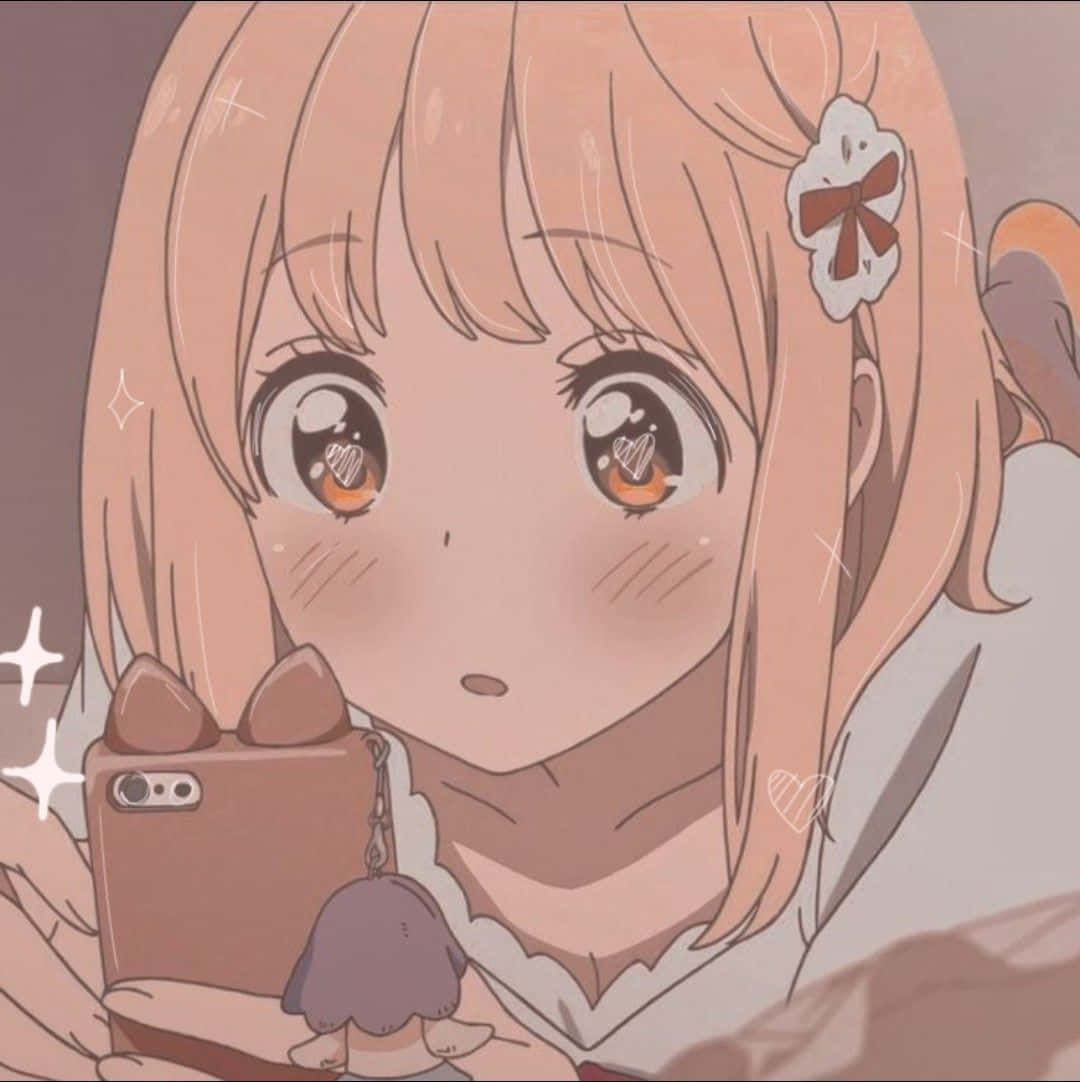
Eyes are among the most potent symbols in PFPs, often used to signal engagement or intent. A pair of eyes looking directly at the viewer creates a sense of connection, while stylized or exaggerated eyes (e.g., anime-inspired) may suggest creativity or a playful persona. In professional contexts, such as LinkedIn, subtle eye motifs (e.g., a single eye in a minimalist design) can imply focus and strategic thinking. Conversely, closed or obscured eyes might convey mystery or introspection, though overuse risks appearing evasive.
-
Hands
Hands symbolize agency and interaction, making them versatile for PFPs. A hand holding an object (e.g., a pen for writers, a globe for travelers) communicates specific interests, while abstract hand silhouettes project openness or collaboration. Platforms like Instagram leverage hand symbols to emphasize authenticity (e.g., "selfie hands" framing a product) or artistic flair (e.g., painter’s hands in a portrait). However, overly literal hand depictions (e.g., a full-body hand gesture) may appear unprofessional in corporate settings.
-
Animals
Animal symbols tap into primal associations, allowing users to align their PFP with desired traits. For instance, a lion denotes strength, while a fox suggests cunning or adaptability. Discord communities often use animals to signify guilds or roles (e.g., a raven for a "mystery" server), whereas Twitter PFPs might feature animals to reflect personal branding (e.g., a dolphin for a marine biologist). Misuse—such as pairing a shark with a pacifist persona—can lead to cognitive dissonance and undermine credibility.
-
Abstract Shapes
Abstract elements provide flexibility for conveying complex ideas without literal representation. Triangles, for example, evoke ambition or tension, making them popular in startup or gaming PFPs. Circles symbolize harmony and are frequently used in wellness or community-focused profiles. Platforms like TikTok often incorporate abstract shapes to align with trends (e.g., gradient circles for "aesthetic" content), while professional networks prefer geometric precision to convey order and reliability.
Color influences emotional responses and associations, with studies indicating that up to 90% of snap judgments about products or individuals are based on color alone. In PFPs, color choices must align with platform norms and the user’s intended message. For example, red conveys energy and urgency—ideal for attention-grabbing PFPs in competitive spaces like gaming—but may appear aggressive in corporate environments. Blue, associated with trust and stability, dominates professional platforms like LinkedIn, while Discord’s vibrant palette (e.g., neon accents) reflects its creative, high-energy user base.
Platform-Specific Color Trends (2023–2024):
Twitter (X): Minimalist color schemes (e.g., monochrome or single-accent hues) prioritize readability and align with the platform’s text-heavy interface. Brands use muted tones (e.g., Twitter’s official blue) to project authority.
Discord: Saturated colors (e.g., electric purple, cyan) dominate to enhance visual engagement in community-driven spaces. Animated gradients or "vibrant" palettes signal creativity or youthfulness.
LinkedIn: Earthy or corporate blues/greys emphasize professionalism. Warm tones (e.g., terracotta) are reserved for creative industries like design or marketing.
Instagram: Pastel gradients or high-contrast duotones align with the platform’s aesthetic focus. Neon or metallic accents appear in niche communities (e.g., cyberpunk or streetwear).
-
Psychological Color Associations
Colors trigger subconscious reactions based on cultural conditioning and personal experience. Red, for instance, stimulates adrenaline and is used in PFPs to convey passion (e.g., artists) or warning (e.g., competitive gamers). Blue, linked to tranquility, is favored by therapists or educators. Green symbolizes growth and is popular among sustainability advocates or financial professionals. Platforms like Reddit adapt color use to reflect subcommunity themes (e.g., r/Entrepreneur uses gold for ambition, r/MentalHealth uses soft blues).
-
Platform-Specific Variations
The visual language of a platform dictates color efficacy. Twitter’s white or light-gray backgrounds make bold colors (e.g., red, black) stand out, ideal for high-energy personal brands. Discord’s dark mode encourages vibrant hues to maintain visibility, while LinkedIn’s neutral tones require strategic color use to avoid blending into the interface. Cross-platform consistency is key; a PFP with a neon pink background may clash with LinkedIn’s professional expectations but thrive in a gaming Discord server.
-
Cultural Considerations
Color meanings vary globally. White symbolizes purity in Western cultures but mourning in some East Asian contexts. Purple, associated with luxury in the West, may carry spiritual connotations in Hindu traditions. When designing for international audiences, prioritize universally neutral colors (e.g., gray, white) or research platform-specific demographics. For example, a PFP for a global tech company might use silver or dark blue to avoid cultural missteps.
Designing a PFP to Subtly Convey Personality Traits Using Three Visual Cues
A well-crafted PFP communicates personality through deliberate visual cues that align with the user’s identity. By focusing on three elements—symbolism, color, and composition—designers can create a cohesive narrative without overt messaging. Below is a step-by-step guide to encoding traits such as confidence, creativity, or mystery using minimal yet impactful choices.
-
Select a Symbol Aligned with the Desired Trait
Choose a symbol that intuitively represents the trait. For confidence, a stylized eagle or a direct gaze conveys authority; for creativity, a paintbrush or abstract brushstrokes imply artistic expression; for mystery, a crescent moon or partial silhouette suggests intrigue. Ensure the symbol is recognizable within the platform’s context (e.g., a minimalist line drawing works better on LinkedIn than a detailed illustration on Instagram).
-
Apply a Color Palette That Reinforces the Symbol’s Meaning
Pair the symbol with a color that amplifies its psychological impact. A confident PFP might use a deep navy blue (trust) with gold accents (prestige), while a creative design could incorporate warm oranges and yellows (energy). For mystery, muted purples or blacks create an enigmatic tone. Test color combinations in the platform’s interface to ensure visibility and emotional resonance (e.g., a red symbol on Twitter’s white background will demand attention).
Technical Methods for Generating High-Quality Profile Pictures
The generation of profile pictures (PFPs) has evolved from manual design to AI-assisted workflows, requiring a balance between technical precision and creative expression. High-resolution PFPs demand meticulous prompt engineering, platform-specific optimization, and adherence to technical benchmarks to ensure visual integrity across digital platforms. This section explores structured methodologies for PFP creation, including AI-driven generation, quality evaluation criteria, comparative analysis of tools, and platform-specific adaptations.
Workflow for High-Resolution PFP Generation Using MidJourney
MidJourney’s diffusion-based model enables the generation of high-resolution PFPs (up to 1024x1024px) through a structured workflow that minimizes distortion and unintended artifacts. The process begins with prompt refinement, where descriptors are engineered to align with the desired aesthetic while avoiding ambiguity. Key techniques include:- Modular Prompting: Decomposing the PFP into distinct elements (e.g., "cyberpunk neon portrait," "minimalist abstract face," "vintage oil painting style") and combining them with logical operators (`--ar 1:1 --v 6 --style raw`).
- Negative Prompting: Explicitly excluding unwanted features (e.g., `--no lowres, deformed, blurry, extra limbs`) to refine output coherence.
- Iterative Refinement: Using the `/imagine` command with incremental adjustments (e.g., `--chaos 20` for variability, `--stylize 900` for artistic control) and upscaling via `/enlarge` for finer details.
- Post-Processing: Exporting in PNG-24 format (lossless) and applying subtle adjustments in tools like Photoshop (e.g., sharpening with Unsharp Mask, color grading with HSL adjustments) to enhance clarity without altering resolution.
Example Prompt Structure: /imagine prompt: "a hyper-realistic anime girl with cyberpunk holographic eyes, neon purple glow, ultra-detailed skin texture, 8K, cinematic lighting, --ar 1:1 --v 6 --style raw --no lowres, deformed, blurry, extra limbs" Post-Generation Checklist:
- Verify resolution matches platform requirements (e.g., 1024x1024px for Discord NFTs).
- Ensure aspect ratio is square (1:1) to avoid cropping.
- Confirm file format is PNG (for transparency) or JPEG (for compression efficiency).
Checklist for Evaluating PFP Quality
A high-quality PFP must meet five critical technical criteria to ensure scalability and visual fidelity. Below are the specifications and their rationale:- Resolution
- Ideal: 1024x1024px (minimum 512x512px for most platforms).
- Rationale: Higher resolutions prevent pixelation when upscaled by platforms (e.g., Twitter’s dynamic resizing). MidJourney’s default 1024px output is optimal for professional use.
- Aspect Ratio
- Ideal: 1:1 (square).
- Rationale: Ensures consistent display across platforms (e.g., Twitter, LinkedIn, Discord) without distortion. Non-square ratios may trigger automatic cropping.
- File Format
- Ideal: PNG-24 (for transparency/gradients) or JPEG (85–90% quality for web).
- Rationale: PNG preserves alpha channels (e.g., semi-transparent backgrounds), while JPEG offers smaller file sizes for faster loading.
- Color Depth and Bitrate
- Ideal: 24-bit color (16.7M colors) for PNG; JPEG at 90% quality to balance size/clarity.
- Rationale: Higher bitrates reduce banding in gradients (critical for artistic PFPs), while JPEG compression avoids excessive file bloat.
- File Size
- Ideal: <500KB (for web platforms); <2MB (for NFTs or high-detail art).
- Rationale: Large files slow load times (e.g., Twitter’s 2MB limit is arbitrary; smaller sizes improve UX). Compress via ImageOptim or Photoshop’s Save for Web.
Comparison of PFP Generation Methods
The choice of tool depends on the balance between automation, customization, and technical constraints. Below is a comparative analysis of AI tools and manual editing:
| Method |
Pros |
Cons |
Best For |
|---|
| MidJourney/DALL·E 3 |
- Generates high-resolution outputs (1024px+) in seconds.
- Supports complex prompts with style/lighting control.
- No design skills required; ideal for rapid iteration.
|
- Limited manual control over fine details (e.g., facial symmetry).
- Subscription costs for high-volume generation.
- Outputs may require post-processing for consistency.
|
- Artists seeking quick, stylized PFPs.
- Non-designers needing professional-grade images.
- Projects with tight deadlines.
|
| Stable Diffusion (Local) |
- Full control over generation parameters (e.g., CFG scale, sampling steps).
- Free and open-source; no API limits.
- Supports custom models (e.g., Counterfeit-V3 for anime styles).
|
- Steep learning curve for prompt engineering.
- Lower default resolution (512px without upscaling).
- Requires GPU for optimal performance.
|
- Technical users wanting fine-grained control.
- Budget-conscious creators.
- Projects requiring custom model integration.
|
| Photoshop (Manual Editing) |
- Unmatched precision for retouching and composition.
- Supports layer-based adjustments (e.g., frequency separation for skin texture).
- Ideal for combining AI-generated elements with manual touches.
|
- Time-consuming for beginners.
- No AI-assisted generation (requires source images).
- Subscription cost for full features.
|
- Professional designers needing pixel-perfect control.
- Projects requiring hybrid AI/manual workflows.
- Restoration of low-quality images.
|
| Canva/Procreate |
- User-friendly interfaces with pre-built templates.
- Affordable for non-professionals.
- Supports basic AI filters (e.g., Canva’s "Magic Edit").
|
- Limited resolution (max 2048px in Canva Pro).
- No advanced prompt engineering capabilities.
- Outputs often lack depth for professional use.
|
- Social media managers needing quick, template-based designs.
- Beginners testing PFP concepts.
- Non-artistic users with minimal budget.
|
Platform-Specific Dimensions and Formats:
- Twitter/X: 400x400px (minimum), PNG or JPEG. *Optimization
Profile picture design extends beyond aesthetics to encode social signals, platform norms, and community affiliations. While core principles of visual identity apply universally, niche communities and digital platforms impose unspoken rules that dictate PFP functionality, recognition, and acceptance. These conventions often reflect subcultural values, technical constraints, or platform-specific algorithms that prioritize certain visual cues. Understanding these dynamics ensures PFPs serve as effective identity markers without violating implicit expectations or triggering algorithmic penalties (e.g., shadowbans or content moderation flags).Platforms and communities enforce conventions through a mix of explicit guidelines (e.g., Discord’s avatar size limits) and implicit cultural norms (e.g., crypto groups favoring pixel art for "web3 authenticity"). Viral PFPs often emerge from platform-specific trends that exploit technical quirks or resonate with niche aesthetics, creating temporary but highly influential design patterns. The following sections dissect these conventions, compare cross-platform adaptations, and provide actionable strategies for creating versatile PFPs.
Unspoken Rules for PFPs in Niche Communities
Niche communities develop PFPs that act as visual shibboleths—design choices that signal membership, skill level, or ideological alignment. These rules are rarely documented but enforced through social pressure, memetic repetition, or technical workarounds. Violations may lead to exclusion, ridicule, or algorithmic suppression (e.g., a "fake" crypto PFP flagged by Discord’s anti-scam filters).Gaming Clans and Esports
Gaming communities prioritize PFPs that convey:
- Team affiliation: Color schemes matching clan logos (e.g., FaZe Clan’s neon pink/blue gradients) or in-game skins (e.g., Valorant agent silhouettes).
- Skill signaling: Dynamic elements like animated emblems (e.g., League of Legends champion icons) or "rank badges" (e.g., CS2 global elite tags).
- Technical taboos:
- Avoid static images of opponents (e.g., Fortnite rival usernames) to prevent toxicity.
- Animated PFPs must not exceed 3MB or 4 seconds in duration (Discord’s limit).
- Blockquote: "A PFP with a teammate’s face edited into a meme is a fast ban in competitive scenes."
Crypto and Web3 Groups
Crypto PFPs often blend utility, nostalgia, and anti-establishment aesthetics:
- Pixel art and 8-bit styles: Mimics early internet culture (e.g., CryptoPunks’ blocky avatars) to signal "decentralized authenticity."
- NFT-linked designs: Embedded QR codes or wallet addresses (e.g., Bored Ape Yacht Club profiles) that verify ownership.
- Taboos:
- Avoid photorealistic human faces (associated with "centralized" identity).
- Dynamic PFPs must use WebP or GIF formats (APNG is often blocked by wallet integrations).
- Blockquote: "A PFP with a stock photo of a CEO is an instant red flag in DAO circles."
Art Collectives and Creative Networks
Art communities use PFPs to showcase style, tools, or collaborative identity:
- Style consistency: Artists in groups like r/OCArt or DeviantArt often use signature color palettes or brushstroke textures.
- Tool signaling: PFPs may feature logos of software (e.g., Procreate, Blender) or hardware (e.g., Wacom stylus icons).
- Taboos:
- Avoid NSFW content (even if the community is adult-oriented, platforms like Twitter auto-blur such images).
- Dynamic PFPs with rapid color shifts (e.g., After Effects glitch effects) may trigger motion-sensitivity filters.
Academic and Professional Subcultures
Fields like r/askhistorians or AcademicTwitter use PFPs to convey:
- Disciplinary markers: Color schemes tied to academic fields (e.g., blue for STEM, green for humanities).
- Conference branding: Silhouettes of landmarks (e.g., Oxford’s Radcliffe Camera for humanities scholars).
- Taboos:
- Avoid corporate logos (e.g., Google or Microsoft mascots) unless explicitly professional (e.g., LinkedIn).
- Dynamic PFPs with text (e.g., scrolling research titles) violate LinkedIn’s static-image policy.
PFPs adapt to platform algorithms, user expectations, and moderation policies. Below is a comparative analysis of three major ecosystems:
| Platform |
Purpose |
Design Constraints |
|---|
| LinkedIn |
- Professional credibility: High-resolution headshots or minimalist corporate aesthetics (e.g., geometric shapes, monochrome).
- Industry signaling: Color-coded by field (e.g., healthcare’s teal, tech’s purple).
- Algorithmic boost: Faces in PFPs receive 15–20% higher engagement (LinkedIn’s internal data, 2022).
|
- Static JPG/PNG only (no GIFs or APNGs).
- Minimum 200×200px, maximum 4MB.
- No text overlays (violates "clean professionalism" guidelines).
- Dynamic elements (e.g., subtle animations) are penalized in search rankings.
|
| Reddit |
- Subreddit identity: PFPs mirror subreddit themes (e.g., r/place’s pixel art, r/WallStreetBets’ bull/bear motifs).
- Moderator visibility: Custom avatars for mods (e.g., r/Design’s geometric patterns).
- Memetic recognition: PFPs that reference subreddit lore (e.g., r/OKBuddyRetard’s "4K" meme).
|
- Static or GIF (max 3MB, 100 frames).
- No animated PNGs (blocked by Reddit’s image processor).
- Subreddit-specific taboos (e.g., r/Anime bans non-anime PFPs for mods).
- PFPs with excessive text (e.g., protest slogans) may be flagged as "spammy."
|
| Twitch |
- Streamer branding: High-contrast, recognizable logos (e.g., Pokimane’s pink/blue split-screen style).
- Community cohesion: PFPs that match channel themes (e.g., Valkyrae’s anime-inspired avatars).
- Monetization cues: "Partner" badges or sponsor logos (e.g., Logitech G emblems).
|
- Static or GIF (max 10MB, 600×600px).
- Dynamic PFPs must loop seamlessly (no visible frame breaks).
- Animated elements must not exceed 500KB (Twitch’s "performance" penalty).
- PFPs with copyrighted characters (e.g., Mario without permission) risk strikes.
|
- File formats: All platforms support static PNG/JPG, but GIF/APNG support varies (e.g., Twitter allows APNG, LinkedIn does not).
- Resolution: Minimum 200×200px is universal, but Twitch and Discord allow larger canvases (600×600px).
- Animation limits: Discord and Twitter enforce stricter file-size caps for dynamic PFPs than Twitch.
Viral PFPs exploit platform quirks, cultural moments, or algorithmic biases. Below are three case studies analyzing their technical and symbolic success:1. Twitter’s "4 Mastering profile picture design demands a synthesis of technical expertise, cultural awareness, and psychological acumen. From leveraging AI tools like MidJourney to decoding the symbolic weight of colors and shapes, each element contributes to a PFP’s effectiveness. The trends of 2023–2024 underscore how digital identities are shaped by collective movements, platform algorithms, and individual intent—whether to project confidence, creativity, or belonging. By adhering to platform-specific conventions while embracing innovation, designers and creators can craft PFPs that not only stand out but also communicate with precision. In an age where first impressions are formed in milliseconds, these insights transform profile pictures from static images into dynamic extensions of self and strategy.
The future of PFPs lies at the crossroads of personal expression and algorithmic optimization, where every pixel carries meaning. Whether adapting to a new meme, refining a professional avatar, or experimenting with generative art, the principles outlined here serve as a foundation for creating visual identities that endure. As platforms evolve and cultural narratives shift, the ability to decode and apply these trends will remain essential for anyone seeking to leave a lasting digital impression.
|


Leave a Comment
Comments are moderated before appearing. The data you submit is processed according to the Privacy Policy of Ns2.